make preferable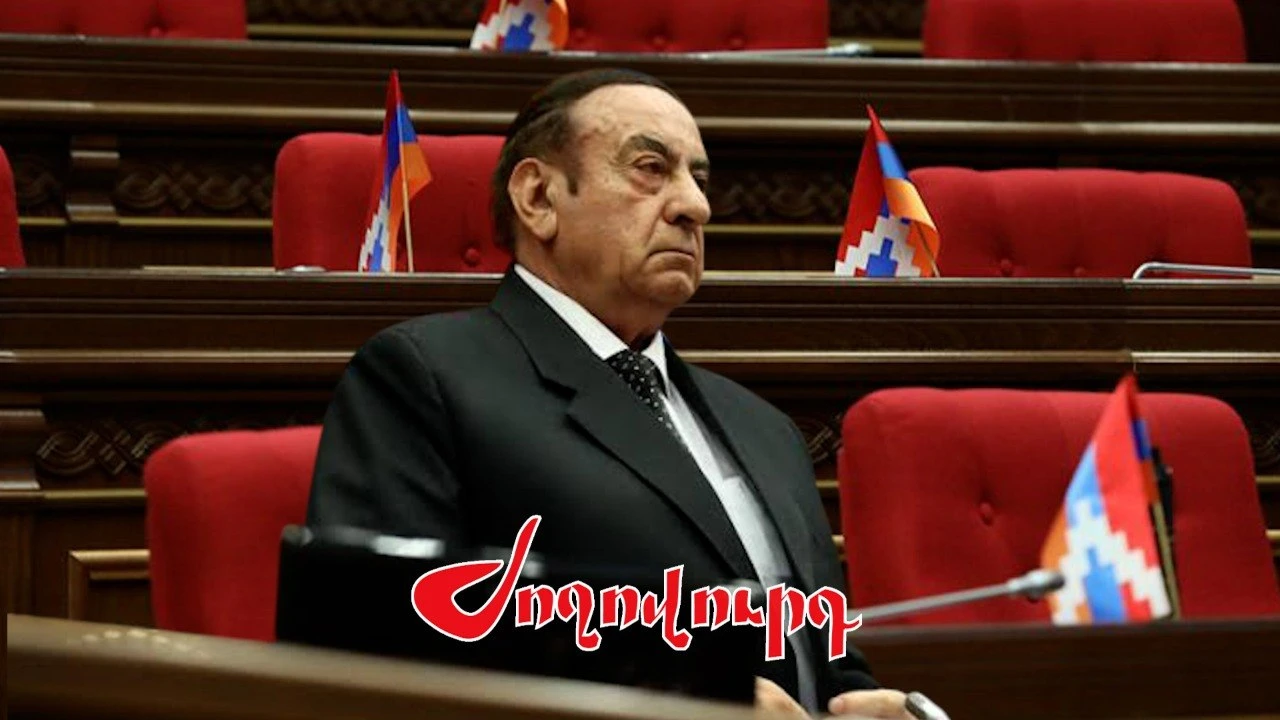
The "Zhoghovurd" daily writes: "Zhoghovurd daily had already reported that on August 2, at 10:00 AM, the first session of the 9th convocation of the National Assembly of the Republic of Armenia will convene.
Until the election of the Speaker of the National Assembly, the inaugural session of the parliament will be chaired by the oldest member of parliament, Knyaz Hasanov, as required by the Constitution and the constitutional law 'Rules of Procedure of the National Assembly.'
One of the most important organizational matters of the first session will be the formation of the Counting Commission. The commission will be elected based on proposals from the factions, through a vote of the MPs, and its composition will include both the ruling side and the opposition, in accordance with the proportional representation of factions in parliament. It is this body that will subsequently organize and summarize the results of secret and open votes held in the National Assembly. Its powers remain in effect throughout the entire convocation of parliament.
After that, MPs will move on to the most important political elections: they will elect the Speaker of the National Assembly, followed by the Deputy Speakers of the National Assembly, one of whom must be an opposition MP. The results of the votes will already be counted by the elected Counting Commission.
At the August 2 session, the chairpersons of the standing committees will also be elected. The distribution of committee leadership positions among parliamentary forces is carried out using the D'Hondt formula, as a result of which each faction receives the committee chairmanships it is entitled to based on the number of mandates. Civil Contract — 9, Strong Armenia — 2, Armenia — 1 committee chairmanships.
If, by that time, the government submits to parliament a draft on changes to the government's structure, it too could be included in the agenda of the first session and discussed on that same day. Otherwise, the agenda of the first session will mainly be limited to the formation of parliament's leading bodies.
At the same time, contrary to some public expectations, there will be no election of a prime minister or presentation of a government on August 2.
The constitutional procedure is clear: the faction holding a majority in parliament makes a decision on a candidate for prime minister and submits it to the President of the Republic. The President appoints the prime minister, after which the prime minister forms the government within a five-day period. After the government is formed, the prime minister presents the government's program to the National Assembly within a 20-day period, and parliament is obligated to discuss it and, within 7 days, approve or reject it by vote.
Thus, the August 2 session will not be a session for the government's program or the prime minister's political address, but rather a session for the institutional formation of the new parliament. On that day, the bodies and positions that will organize the entire work of the National Assembly over the next five years will be formed, while the process of forming the executive branch will continue afterward, through the stages established by the Constitution."
Details in today's issue of the "Zhoghovurd" daily.