make preferable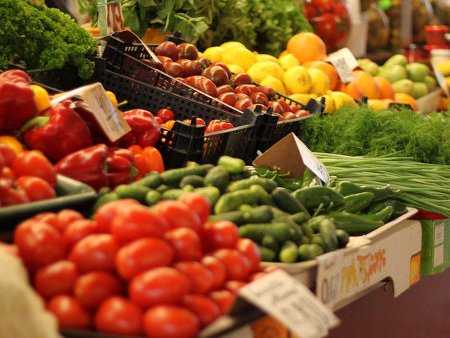
Armenia, Turkey or Iran cannot fully substitute Greek fruit exports to Russia, suspended after Russian food embargo, Georgios Frangistas told Armenia News – News.am.
Frangistas, who is the head of marketing at a major Greek fruit exporter, Gefra, and the president of Incofruit, the Association of Greek Export enterprises for fruits vegetables and juice, told that, regarding Greece, the 12-month embargo, expiring in August 2015, is mainly affecting producers of peaches, kiwi and strawberries.
“Greece supplied 23% of Russian imports of peaches, and we do not believe Turkey, Armenia, or Iran will be able to substitute those volumes. Additional sources will be required,” he told.
The embargo has not affected the crop of 2014 very hard, as it came in the last few weeks of the season, after the main volumes had already been marketed. However, work will have to be done to find alternative markets for Greek shippers prior to the next season in May 2015, Frangistas added.
Kiwi is harvested in mid-October but its long life allows it to reach virtually any market in the world. Marketers of kiwi will need to make the best of it, Frangistas added.
The season of strawberries will start in February, and the impact of the Russian ban will be severe as 55% of the fruit was traditionally shipped to Russia. The product has an extremely short life which limits marketing options, he explained.
EU emergency funding will dampen the effects of Russian ban for Greek agricultural producers, and should buy time for marketers to export elsewhere.
“Our view is that such a ban will have long lasting implications. EU shippers will adapt somehow and find new markets while Russian importers will have to find alternative sources so that a possible lifting of the ban 12 months later will not necessary imply a return to pre-ban trading practices,” Frangistas concluded.