make preferable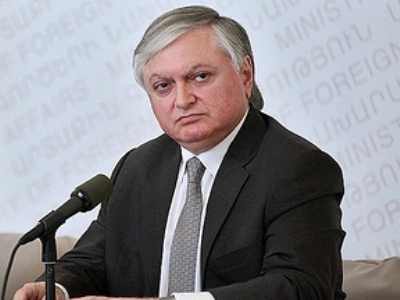
The Minister of Foreign Affairs of Armenia, Edward Nalbandian, on Wednesday delivered an address at the Special Meeting of the OSCE Permanent Council.
With reference to the genocide issue, Nalbandian particularly noted as follows:
I will start [my address] from the most important issue on our national agenda today - the Centennial commemoration of the Armenian Genocide.
Back in May 1915 the governments of France, Great Britain and Russia characterized the Armenian massacres as “crimes against humanity and civilization.” This was one of the first occasions of the use of the term “crimes against humanity” on an international level, leading to its elaboration as an inherent concept of the international legal system.
For the contemporaries of the Armenian Genocide it might really sound as a miracle that the Armenian nation could survive and re-establish its statehood. It is therefore truly symbolic on this centenary to address you as the Minister of Foreign Affairs of one of the 57 participating states of this organization.
As a nation, which passed through the horrors of genocide, Armenia is a firm advocate of the international efforts of prevention of crimes against humanity. One of the most effective measures in this regard is the full and frank acknowledgment of past genocides. That is why states must not subordinate this noble cause to any geopolitical calculation. The OSCE is also well placed to address the issue, since the adherence to its principles and commitments can vastly contribute to the Genocide prevention efforts.
Remembrance dates should be approached by genuine will of peace and reconciliation. It is with this aim that the Armenian President invited his Turkish counterpart to participate in the commemoration of the genocide centenary on April 24th in Yerevan. I personally handed over the invitation to President Erdogan in Ankara. It is regrettable that our invitation was left unanswered, constituting yet another missed opportunity.
Mr. Chairman,
In September 2014 the sanctuary for the remains of many victims of the Armenian Genocide, the Saint Martyrs Armenian Church, in Syrian town of Deir ez-Zor was destroyed by terrorists in a sad, yet symbolic link between past and present crimes against humanity. Destruction of cultural masterpieces is an attempt to erase the memory of other people, destroy millennia-old cultures and civilizations.
Recently we all saw the chilling video footage of how the ISIS militants were smashing the 2.700 years old statues in the Mosul museum. This crime against civilization is an appalling reminder of earlier similar barbaric acts of destruction of Bamiyan Buddha's statues, Mausoleums of Timbuktu and thousands of Medieval Armenian cross-stones in Nakhijevan.