make preferable
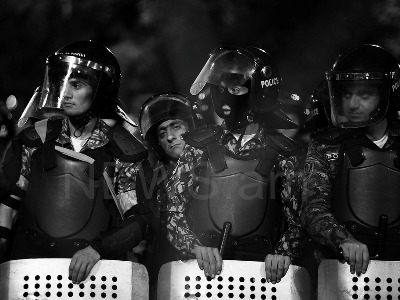
The two-week occupation of a police station that ended on Sunday drew unexpected public support, raising questions about the country’s future stability, analysts of Freedom House say.
“When a group of gunmen seized a police station in Yerevan on July 17 and issued antigovernment demands, they were initially met with bewilderment from the public and silence from major regime and opposition figures,” the analysts said.
“The armed group’s drastic attempts to change the status quo in Armenia can only be understood in the context of the government’s authoritarian tendencies when it comes to independent activism, and the sense of hopelessness that they have engendered. While expressions of antigovernment sentiment have been largely peaceful in recent years, the incidents of the past two weeks signal a disturbing escalation in both the expectations of and constraints on the disenchanted Armenian public.”
“When Serzh Sargsyan came to power in 2008, he inherited a presidency backed by a group of entrenched oligarchs who controlled virtually every sector of the economy. He also ushered in a new, more authoritarian political atmosphere.”
The analysts recalled the recent civic activism through peaceful demonstrations and sit-ins, including actions against Armenia’s inclusion in the Russia-led Eurasian Economic Union, controversial pension reforms, increases in public transportation fares and electricity prices, and proposed constitutional changes.
“Coupled with their unwillingness to meaningfully address the grievances of demonstrators, the authorities’ record of violent overreaction to civic activism has caused many citizens to lose hope in the idea of accessing justice and holding their leaders accountable through lawful, democratic means. The armed occupation of the police station, a startling disruption of Armenia’s static political scene, was seen in some quarters as a last resort and, for those who took to the streets in protest, as a wake-up call,” they say.
While the leaders of the takeover asserted that they would continue their battle behind bars, the effects of the gunmen’s actions will extend far beyond their original aims.
“The government response, limited to condemning the men as terrorists and suppressing their supporters, has failed to acknowledge the uncomfortable reality that the Armenian public sympathizes with many of the complaints and criticisms at the heart of the takeover.
Before July 17, many would have considered violence to be an unlikely course of action for antigovernment forces in Armenia. The surprising public reaction to the takeover, however, has unhinged expectations about what is permissible in the realm of antigovernment mobilization.
In light of the authorities’ demonstrated commitment to meeting even peaceful activism with excessive force, this is a dangerous new reality for Armenian politics.”