make preferable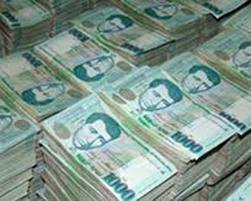
By Samvel Avagyan
In Armenia, wages, pensions and benefits are normally paid late in December. At the end of the year most enterprises pay wages earlier than usual. If possible they also pay bonuses for employees to take care of the holiday tables and presents.
The banking system is incapable of serving the steeply increased short-term demand for cash at the expense of the balance. By our estimates, the Armenian banking system needed an additional 40 to 50 billion AMD (about U.S. $110 to $140) during the last ten days of last December. With the cash circulation in Armenian considered, it is a rather big sum.
The great demand for cash during the last week of December 2010 forced the Central Bank of Armenia (CBA) into putting additional funds into circulation. At one time, 10 to 15 billion AMD were put into circulation daily. Cash in circulation increased late in 2010. According to a CBA-released report, the greatest amount of cash in circulation was registered on December 29, 2010 – 352 billion AMD (about U.S. $980 million) against 315 billion AMD (about U.S. $875) late last November. Thus, last December alone, the amount of cash in circulation increased by 37 billion AMD, with 60% increase registered during the last ten-day period of December 2010.
The Government expected the demand for cash to grow and took some measures. This is the reason why pensions were paid this January rather than last December, which was practice during the previous years. As a result, the monetary base continued increasing early this January (the opposite normally takes place). On January 7, the amount of cash reached 360 billion AMD (about U.S. $1 billion), a record figure over recent years.
A steep increase in amount of cash may result in price rise and influence the exchange rate.