make preferable
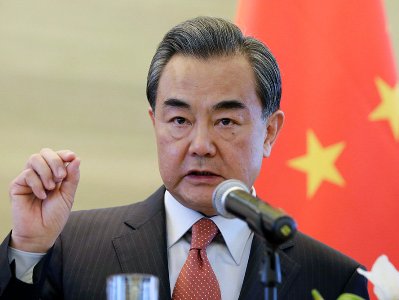
Multilateralism is a key tenet of China’s diplomacy, and it will continue to defend an international order based on multilateralism, Chinese Foreign Minister Wang Yi said in a statement.
According to him, China intends to continue to work with other states in order to support the UN’s role in achieving global peace and development.
“Multilateralism is a key tenet of China's diplomacy. It is the result of much soul-searching after bitter lessons of the two world wars in the 20th century, and has since served as an important safeguard for global peace and development. In the year ahead, we will work with other countries to support the role of the United Nations in achieving global peace and development, and call on all countries to abide by the purposes and principles of the UN Charter. China will strengthen cooperation with all other parties within the G20, APEC, the Shanghai Cooperation Organization (SCO), BRICS and other frameworks to promote the implementation of the 2030 Agenda for Sustainable Development and that of the Paris Agreement, and contribute to a global response to global challenges through multilateral cooperation” he said in a statement.
Beijing intends to make full use of the celebration of the 70th anniversary of establishing diplomatic ties to promote high-level strategic coordination with Russia in all fields, the FM noted.
“In the face of challenges to WTO rules and multilateralism in general, China stood up to safeguard its lawful rights and interests. At the same time, conscious of international expectations, we have been working with the United States to put our trade friction back on the track of dialogue and consultation, thus providing a positive outlook for the world. Growing at a high level, China's comprehensive strategic partnership of coordination with Russia has remained rock-solid and served as a source of strategic stability in the world. China enhanced communication and coordination with Europe and reached consensus on upholding the multilateral process and addressing various global challenges. China's relations with the rest of the world made steady progress, helping to make the world a more stable place,” he added.
According to him, seizing the opportunity of a major turnaround on the Korean Peninsula, China encouraged the North and the South to improve their relations.
“Seizing the opportunity of a major turnaround on the Korean Peninsula, China encouraged the North and the South to improve their relations. We also supported the resumption of dialogue between the US and the DPRK to build mutual trust. China worked with like-minded parties to uphold and implement the Joint Comprehensive Plan of Action with the aim of maintaining peace and stability in the Middle East. Regarding the Rakhine situation, China proposed a three-phase approach and encouraged Myanmar and Bangladesh to reach a broad agreement on the return of displaced persons. The China-Afghanistan-Pakistan Foreign Ministers' Dialogue, set up on China's initiative, produced important common understanding on advancing the peace process in Afghanistan. China also played an active mediating role on the Syrian and Palestinian issues, meeting its due responsibility for promoting regional peace,” Wang Yi noted.
According to him, Chine will continue to play a mediating role in regional hotspots.
“We will continue to uphold the Joint Comprehensive Plan of Action (JCPOA) on the Iranian nuclear issue, mediate a proper settlement of the Rakhine issue, take a constructive part in the political process in Afghanistan, and work tirelessly for resolving such hotspots as Syria and Palestine,” the statement said.