make preferable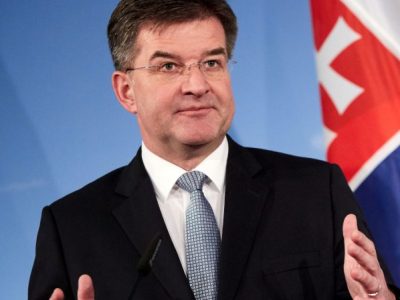
Settling a longstanding conflict is a complex task requiring stability in the regional context, active dialogue, and the readiness of societies to move forward, OSCE Chairperson-in-Office, Slovakia’s Minister for Foreign and European Affairs Miroslav Lajcak said in an interview to Trend.
“Lately, we have seen signs of progress unfolding and we are cautiously optimistic about it. The human toll of violence along the line of contact and state borders has decreased. We are seeing a certain regularity of senior level dialogue between Yerevan and Baku. And the result of these developments contributes to increased stability in the OSCE space,” he said.
According to him, their chairmanship is committed to supporting a negotiated, peaceful, and sustainable resolution of the conflict.
“I have reappointed Amb. Andrzej Kasprzyk as my Personal Representative on the Conflict dealt with by the OSCE Minsk Conference; we have faith in the Minsk Process, and will ensure it has the support needed to succeed. I am in close contact with the OSCE Minsk Group Co-Chairs and took positive note of the recent meeting of the Foreign Ministers in Paris. Their understanding that concrete measures are needed to prepare the populations for peace deserves our support,” he said.
According to him, the OSCE provides a forum for dialogue, cooperation and mediation, and in that can help us to focus on related humanitarian needs.
“One of the priorities of the Slovak OSCE Chairmanship is preventing, resolving, and mediating conflict and mitigating its humanitarian consequences wherever possible. As during my visits to Ukraine, Moldova, and Georgia, I am eager to ensure that the people most affected remain high on the agenda of the international community,” OSCE Chairperson-in-Office added.