make preferable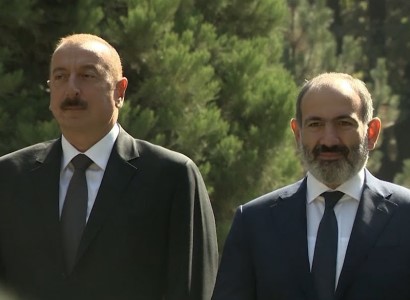
The Government of Armenia refuses to inform whether the operative communication regarding borderline incidents (confirmed by Armenia and Azerbaijan in September 2018 in Dushanbe) is active or not. In response to the inquiry of Armenian News-NEWS.am addressed to Prime Minister Nikol Pashinyan, the government reported that the information on the toolkit for operative communication according to the agreement reached between all the engaged sides is not subject to publication.
However, the inquiry didn’t concern the toolkit for operative communication. The purpose was to find out whether there is still ‘reliable communication’ with President Aliyev or not.
During this year, there is no official or non-official information about operative communication between Armenia and Azerbaijan. The borderline incidents recorded in the past three months, the large-scale military exercises conducted by Azerbaijan in the areas near Artsakh and Armenia from May 18 to 22 and Aliyev’s statements on applying force allow us to state that escalation of tension on the line of contact is inevitable. Escalation of border tension is due to several factors, including the crisis caused by the coronavirus pandemic. In particular, on March 1, due to COVID-19 and the restrictions on movement in the region, it was announced that the monitoring of the Office of the Personal Representative of the OSCE Chairperson-in-Office was being discontinued, and this was not a desired scenario for the Armenian side. The noticeable instability in Azerbaijan due to the unprecedented decline of oil prices, social and economic issues and new wave of clashes on ethnic ground, is also of essential significance in terms of escalation of border tension.
In this situation, it’s more than clear that the operative communication established “through gentlemanly speech” can’t reduce the growing border tension and keep Azerbaijan from taking venturesome action.