make preferable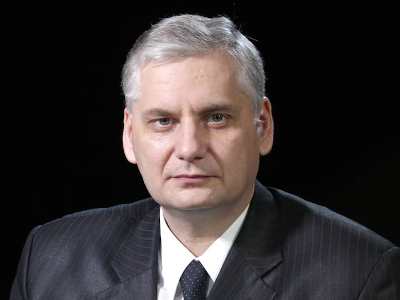
The future historians of post-Soviet Armenia, stating the chronology of the brilliant and turning events of the country’s history, will hardly bypass the date June 16, 2020, and it’s not just that on this day the leader of a political party and the second largest parliamentary faction, as well as one of the richest people in the republic was stripped of his parliamentary immunity. Gagik Tsarukyan has been [and still is] one of the symbols of the unification of power and business and who serves as a crucial factor for the development of post-Soviet capitalism. This is what Russian political scientist, Leading Researcher at the Euro-Atlantic Security Center of the MGIMO Institute for International Studies in Moscow Sergey Markedonov wrote in his article published in Kommersant newspaper.
“The attack on the influential oligarch, who managed to be with the authorities and part of the opposition, is one of the important moments of the large-scale transformation of the authorities that began in Armenia after the ‘velvet revolution’ that took place two years ago. What became borderlines on this path were the detention of second president of the republic Robert Kocharyan, the criminal case instituted against his successor Serzh Sargsyan, the fight to make the parliament homogenous, the establishment of political control over the municipality of the capital city and law-enforcement bodies, as well as the conflict between the government and the judiciary. However, there is one thing that consolidates all this — they are a violation of the unwritten traditions of post-Soviet political culture in Armenia that were inviolable, regardless of who held the top positions in the country.
In the final days of the USSR, Armenia was one of the most anti-Soviet entities of the USSR. In several regards, the Armenian Pan-National Movement, under the leadership of the charismatic Levon Ter-Petrosyan, came to power with slogans for reforms. Young doctors and candidates of sciences, linguists, historians and physics were replaced by experienced nomenclature workers. However, this didn’t bother the first president of Armenia from establishing an important tradition, that is, the change of names in offices must not be accompanied by the elimination and humiliation of opponents. And this is why the citizens of the republic saw in ‘old new leaders’ former First Secretary of the Central Committee of the Communist Party of the Armenian Soviet Socialist Republic, Comrade Karen Demirtchyan, who had become the speaker of the Armenian parliament after independence, and if he didn’t become a victim of political assassination, he might have been elected head of state,” Markedonov wrote.