make preferable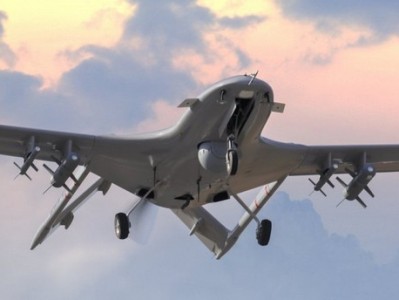
As countries around the world replenish their arsenals with armed drones, federal lawmakers are pressing the Biden administration to investigate how U.S. parts and technology ended up in what has quickly become one of the world's most popular models: the Turkish-made Bayraktar TB2, ProPublica reported.
Manufactured by Turkish company Baykar Technology, the TB2 can hover high above the battlefield and engage targets with laser-guided missiles. Baykar claims that the TB2s are manufactured domestically and almost all parts are sourced from Turkey. However, as ProPublica reported this month, debris from downed drones from multiple conflicts suggests otherwise. A number of components have been manufactured by manufacturers in the US, Canada and Europe.
To learn more, legislator Tony Cardenas recently introduced an amendment to the House version of the National Defense Authority Act. The annual budget bill is often an opportunity for lawmakers to demand a report from the administration on pressing issues, and Cárdenas focused on TB2, highlighting Azerbaijan's deployment of the weapon in the 2020 war against neighboring Armenia over Nagorno-Karabakh territory.
Pictures of the drone wreckage released by local media and the Armenian military at the time showed details that matched those made by several American companies. Some of these companies told ProPublica that they have taken steps to stop selling directly to Turkey, but others continue to sell key parts.
Turkey has increased TB2 exports in recent years. At least 14 countries now own these drones, and 16 others are looking to acquire them.
“We’ve been paying close attention to Turkey’s drone sales and how these weapons have been deployed around the world,” Cárdenas told ProPublica in a statement. “I’m troubled about the destabilizing effects we’re seeing and the human rights concerns that follow, especially in places like Nagorno Karabakh. We need a full accounting of the role U.S manufactured parts are playing so that Congress can conduct proper oversight.”
If passed, the law would require the Department of Defense, in consultation with the State Department, to prepare a report on U.S. TB2 components used in the Nagorno-Karabakh conflict and any potential violations of export laws, sanctions, or other regulations. Neither the Turkish Embassy in Washington nor Baykar Technology responded to a request for comment on the story. Previously, when Baykar was asked about the source of key components of its drones, it did not answer specific questions and only stated that those questions were based on false accusations.
It's about US export laws. Typically, military parts are tightly controlled, requiring licenses from the State Department detailing their buyers and end use. But many of TB2's key components are commercial-grade technologies that are used in a variety of consumer products and are not subject to gun laws. And Turkey, a member of key global anti-weapon treaties, can easily import finished parts, avoiding a web of sanctions and restrictions aimed at curbing the efforts of countries like Iran and China that also have drone programs.
Some critics are calling for the Biden administration to take action against Turkey. Other countries, including Canada, have previously imposed export bans to prevent the delivery of key parts. But for the US, experts say, there are a number of diplomatic considerations. Turkey is a longtime NATO ally. And more recently, the TB2 has become a critical tool in places like Ukraine, where the country's military uses it to fight Russian troops - a fact repeatedly emphasized by the drone manufacturer, Baykar, in media coverage of the conflict.
In other countries, however, TB2 is much less revered. In fact, it has been used to kill not only soldiers but also civilians, drawing the ire of various governments and human rights groups.
In 2019, for example, Turkey sent drones to the Tripoli-based Government of National Accord in Libya despite a UN arms embargo. The UN said the weapons then helped turn a low-intensity, low-tech fight into a bloody conflict. In Ethiopia, amid a war with insurgents, the government used TB2s in airstrikes that killed dozens of civilians, including those living in a displaced persons camp.