make preferable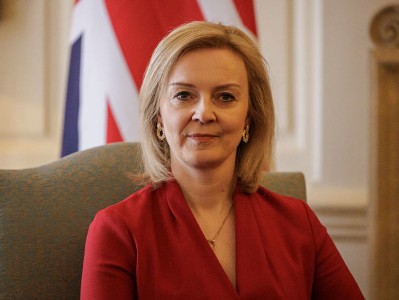
Governments around the world are slowly becoming aware of a new reality: Liz Truss is about to become prime minister of Great Britain. Truth be told, few foreign powers like it, Politico writes.
More than a dozen conversations with senior diplomats and insiders from centers of power around the world show that Truss is not exactly a popular choice on the world stage. She will be met with deep skepticism in much of Western Europe and in the Biden White House. There are questions about relations with Australia's new government. She is despised in Moscow and Beijing.
On the other hand, Truss is quite popular in Eastern Europe and parts of the Indo-Pacific. So it's not all bad.
Supporters say that Truss's anticipated emergence on the world stage is simply untimely, since potential conservative allies in the United States, Germany and Australia have lost national elections in the past two years.
Its relations with EU countries are undoubtedly marred by a bitter dispute over how to trade across the Irish Sea after Brexit.
"We have a negative impression, not based on her intentions but her actions," said a diplomat from a major EU country. "A new leader is always a new opportunity for a reset, but we will have to see if she takes steps towards rebuilding trust, which is very needed.”
Another Brussels diplomat gave an even more dismissive assessment: "Liz Truss would seem to us to be really, really poor from an EU point of view. What she has shown, since she’s taken over as foreign secretary, and as she’s taken over the Brexit negotiations, has just been very negative.”
Virtually no politician in Dublin has a good word to say about Truss. The prominent Dublin Irish Times newspaper called her "an ineffectual foreign minister who campaigned against Brexit and then cheered it."
Two senior diplomats from across southern Europe expressed concern about Truss's "impulsiveness" in international affairs, warning that it could further escalate tensions.
Democratic influencers, including U.S. President Joe Biden and House Speaker Nancy Pelosi, have repeatedly spoken of their fears that the Brexit policy would destroy Ireland's hard-won peace. They want the Good Friday Agreement to be saved at all costs, and for Brussels and London to stop wasting energy on avoidable conflicts.
During the campaign, Truss repeatedly criticized her rival Rishi Sunak's willingness to negotiate with Beijing and even suggested that Britain arm Taiwan against China.
The foreign secretary promised to update Britain's comprehensive 2021 security, defense and foreign policy review, focusing on China and Russia, as well as forging stronger economic and trade ties with Commonwealth countries to counter Beijing's "growing malign influence.”
China's foreign ministry makes little attempt to hide its feelings about Truss' remarks. "This fully exposes the hypocritical faces of old-school British imperialism,” ministry spokesman Wang Wenbin said. “Imagine Scotland colluding with foreign forces to secede from the U.K. Can the U.K. keep calm?”
On Russia, Truss's rhetoric has also been harsh, and in. Her hawkish stance has made her the target of scathing attacks from senior members of the Russian government.
The Kremlin was particularly pleased with the geographical error Truss made during her visit to Russia in response to a question from Russian Foreign Minister Sergey Lavrov. At the end of her visit, Lavrov said it was a conversation "between the dumb and the deaf."