make preferable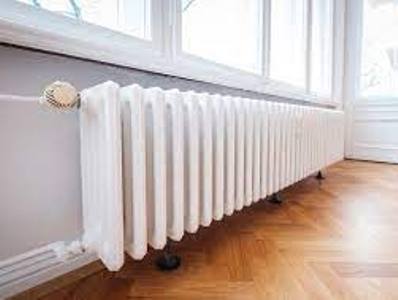
The German government has approved a bylaw limiting the heating of public buildings and banning illuminated billboards in an effort to save energy and combat rising energy costs, The Guardian reports.
The law, which will take effect in just over a week and will be in effect for six months, means that public buildings, from city halls to railroad waiting rooms, must not be heated above 19C, and radiators in hallways, foyers, entryways and technical areas must be turned off.
"The moves are part of a national effort to save on energy to reduce the dependency of Europe’s largest economy on Russian gas, and more immediately to deal with concerns that Moscow may choose to cut off access to its Baltic Sea pipeline during the winter," the media noted.
A law was also passed to re-prioritize rail transport, giving preference to trains carrying coal and oil over passenger and other freight trains.
Currently, gas supplies from Russia are at 20 percent of normal levels.
As part of the energy regulations, facades of buildings and monuments will no longer be lit for purely aesthetic reasons. Authorities in Berlin and other cities have already taken many measures to save energy: A few weeks ago, the lights in the Brandenburg Gate in the capital city were turned off.
Under the rules that have been implemented, the clauses in rental agreements guaranteeing minimum temperatures in buildings will also be temporarily abolished. Additional laws are expected in the coming days, which will include technical measures such as mandatory annual inspections of gas-heated buildings to ensure that they operate as efficiently as possible.