make preferable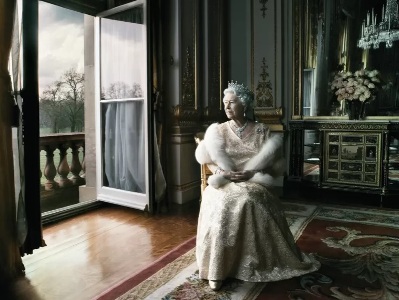
By BBC
Britain's Queen Elizabeth II ascended the throne in 1952, when she was just 25 years old. It is the longest reign of any monarch in British history. In 2015, she broke the record of her great-great-grandmother Queen Victoria, who spent 62 years on the throne.
This year she celebrated her platinum jubilee, making her the second longest reigning monarch in world history after King Louis XIV of France, who ruled for 72 years and 110 days.
During those 70 years, Queen Elizabeth II oversaw 15 prime ministers, including Winston Churchill, and Margaret Thatcher, Britain's first woman prime minister. She has survived several historic moments over seven decades, including World War II - she was the last surviving head of state to participate in the war - and the independence of more than 20 countries in Africa and the Caribbean from the United Kingdom.
The queen was also a monarch during the terms of 13 American presidents and met with 12 of them. According to the White House Historical Association, she did not meet Lyndon Johnson, but did meet her sister, Princess Margaret, during an official visit to the White House in 1965.
Queen Elizabeth II's tenure as head of state coincided with the period of postwar austerity, the transition from empire to Commonwealth, the end of the Cold War, and Britain's entry into and exit from the European Union.
Elizabeth was crowned in Westminster Abbey on June 2, 1953, before a then-record television audience of more than 20 million people.
The decades that followed saw great changes: the end of the British Empire abroad and the turbulent '60s sweeping away social norms.
Elizabeth reformed the monarchy for this less respectable century, interacting with the public through walks, royal visits, and attendance at public events. Her commitment to the Commonwealth was constant - she visited every Commonwealth country at least once.
But there were periods of personal and public pain. 1992 was a "terrible year" for the queen: a fire destroyed Windsor Castle - her private residence as well as her working palace - and the marriages of her three children broke up.
After Diana, Princess of Wales, died in a car crash in Paris in 1997, the queen was criticized for her reluctance to respond publicly.
There were questions about the relevance of the monarchy in modern society. "No institution ... should be free from the scrutiny of those who show loyalty and support for it, let alone those who do not," she acknowledged.
Below we present some famous quotes from the queen:
"It’s worth remembering that it is often the small steps, not the giant leaps, that bring about the most lasting change."
"It has always been easy to hate and destroy. To build and to cherish is much more difficult."
“I am reminded of a lady of about my age who was asked by an earnest, little granddaughter the other day ‘Granny, can you remember the Stone Age?’ Whilst that may be going a bit far, the older generation are able to give a sense of context as well as the wisdom of experience which can be invaluable.”
“When life seems hard, the courageous do not lie down and accept defeat; instead, they are all the more determined to struggle for a better future.”
"I can ever wear beige because nobody will know who I am."
"I have to be seen to be believed."