make preferable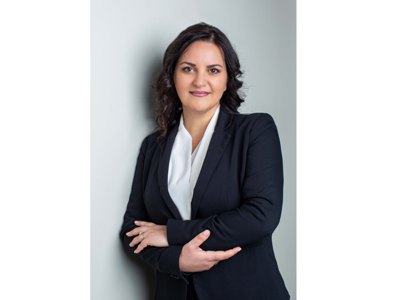
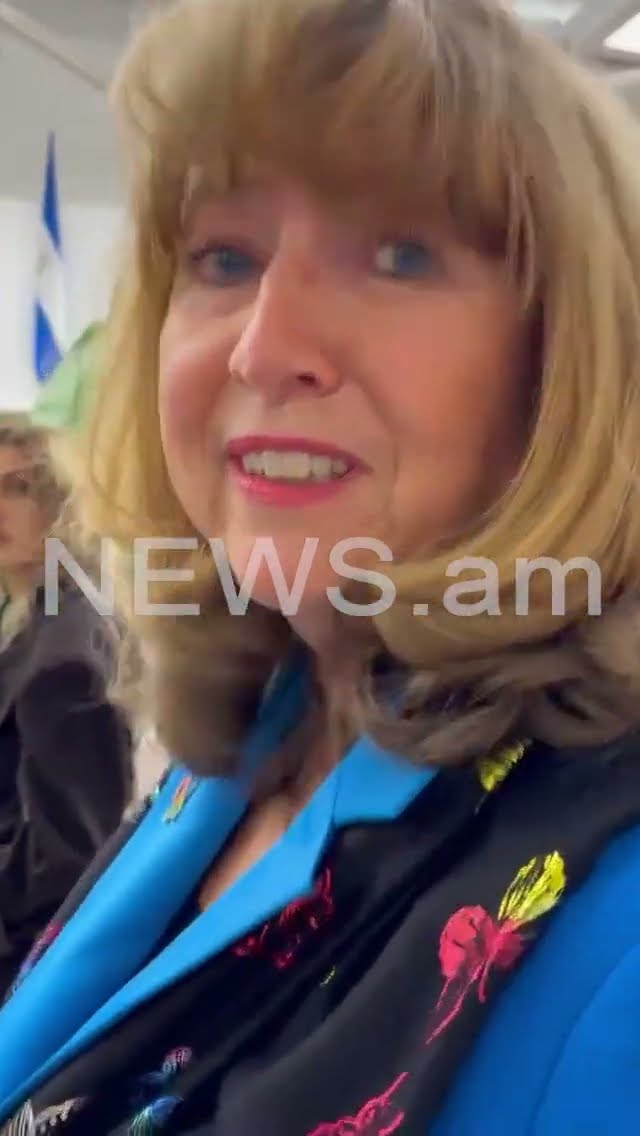
Today we're talking with Anna Astvatsaturian Turcotte, American-Armenian writer, philanthropist, lawyer, elected official, president of the Westbrook City Council and the President of the "Anna Astvatsaturian'' Foundation. Anna is an author of a book "Nowhere, a Story of Exile, 2012 based on her diaries which she wrote as an 11 year old child escaping the Baku massacres. In 2013 Anna spearheaded a successful recognition of Artsakh at the State of Maine legislature. In the last decade Astvatsaturian Turcotte has implemented a number of charitable programs in Armenia and Artsakh. In 2020 she founded the Anna Astvatsaturian Foundation. One of the Foundation's major projects is the "Artsakh War 2020: Losses, Challenges - Opportunities for resistance development'' survey conducted after the 44-day war. In June, the Anna Astvatsaturian Foundation launched the "Ser Artsakh" initiative, which aims at supporting families with newborn children in Artsakh.
Your "Ser Artsakh" project was launched on June 1. What is it about?
Within the framework of the "Ser Artsakh" program, we prepare the first gift box for every newborn in Artsakh. We chose June 1, International Children's Day, as a sign of the responsibility to protect children born after the 44-day Artsakh war in 2020, the ones who give new life to their homeland. It was very important for us to show appreciation and support to Artsakh families that have chosen to live in Artsakh.
We decided to include items made in Armenia or Artsakh so that we could promote domestic products and support the local economy as well. For several months before launch, we were selecting Armenian clothes, toys, and care items. All the items that were not produced in Armenia or Artsakh, were bought here. A friend of mine in Artsakh makes the toys. He kindly agreed to make the wooden bird that became the symbol of the project. Then, out of necessity for the twins and triplets, he also added a little friend of the sparrow, the rabbit.
At the time we were finalizing the idea for this project and deciding which products to include in the boxes, many people asked me why I was focusing on the best and highest quality products instead of just mere quantity. It was hard for people who had not seen the refugee path to understand the nuances. I was a refugee once too and wore second-hand clothes and my brother played with old worn-out toys. I remember the feeling that came with that very well. To me this project is not a donation but a gift, Artsakh families deserve the best and we should honor them for being so strong.
What results have you reached during these months?
For me, the most important thing was not giving support but to show the Diaspora that people live and continue to be born in Artsakh. And to show the people of Artsakh that the Diaspora is still worried about them. The most important thing was moral support, giving attention, and proving for these rare moments of joy around so much stress and pain.
We had already given out over 700 boxes during the program. Amongst the memorable moments was the news of the birth of twins and triplets. We didn't even really plan for this at first. We were pleasantly surprised and excited when this happened several times. We quickly began looking for new solutions so that the babies would get boxes that differed from each other. The wooden toy included in them, the little sparrow, was joined by its new friend, the rabbit. Thus, the moms get two different boxes.
What challenges did you face?
The most important challenge was to prove that this project was more important than other support programs being implemented. One could say that the Diaspora is already tired of the difficult situation in Armenia and has become indifferent to such kinds of programs. Under these conditions, every day becomes a struggle to convince them that by becoming frustrated and disappointed or by diverting attention to easier problems, we will not achieve any significant results.
The second biggest challenge is getting people to spread information about the project. It is important that people who cannot support our program with their own funds share information with people they know, which will keep the information chain running smoothly. This approach is also a supportive one for us. We don't only expect financial support: any kind of attention shows that we are ready to stay with Artsakh.
How do you see the future of the program?
I was in Artsakh in the summer. Two girls who work at the hotel came up and said they weren't married yet, but they hoped that the project would last so long that their children would get gift boxes too. Many have written to me that they too would become mothers in a little while, wondering if their children will get gift boxes too.
My concern is that we currently have limited months of funding. Even so, we are working on expanding the project month by month.
I don't know how successful our efforts will be, but we are not losing the most important thing - hope and willingness. We will do everything we can to complete the first anniversary of the project. After that, I hope to get the government agencies interested and with their help bring the project into the program of state support.
I hope everything will be successful.