make preferable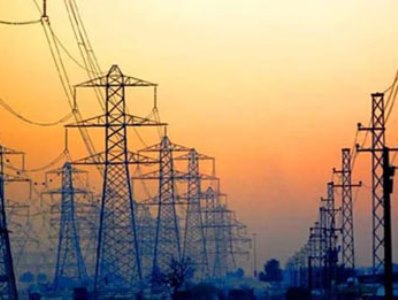
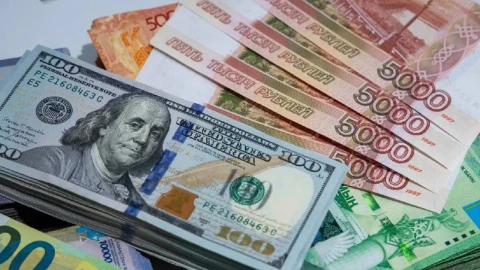
Crisis-weary European governments that spend heavily to prop up their economies amid an energy crisis risk long-term damage by spreading fiscal support too widely for companies and households, Bloomberg writes.
With inflation at record levels and central banks seeking to raise borrowing costs to curb prices, policymakers and economists warn of a counterproductive collision if countries do not follow the rule known as the three "T's": temporary, targeted and timely.
By not targeting measures such as energy bill relief to the most vulnerable businesses and families, governments can unintentionally strengthen the case for higher interest rates while limiting future budgets by increasing the burden of debt service. Liz Truss's short-lived U.K. government serves as a warning of the market chaos that can result from a loss of confidence.
European Union governments have pledged more than 550 billion euros (to protect their economies from energy bills. According to Bruegel, that amount reaches 710 billion euros, including support for utilities. Eurozone members have already spent about 1.25 percent of economic output, or about 200 billion euros. The European Commission says that about 70% of the measures are untargeted, benefiting all or a very large part of the population.
While EU countries do not promise such drastic tax cuts as Truss did, sticking to the three T's proves politically difficult.
Extending aid beyond winter could upset the balance between efforts to lower consumer prices and support vulnerable households and the bloc's international competitiveness. For businesses trying to plan investments, uncertainty over energy bills is their "worst enemy," European Central Bank Board of Governors member François Villeroy de Galhau said this week.
Another risk of spending too much for too long is that the reality of higher energy prices is not realized at a time when Europe needs to cut consumption to avoid blackouts.
The temptation for governments is to increase finances through additional value-added taxes on ever more expensive goods. Spain's central bank has warned that this should not lead to a jump in structural government spending, as inflation could end up hitting tax revenues due to slowing consumption and investment.