make preferable
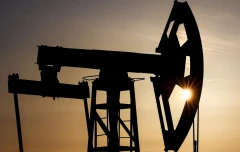
The record drop in production in the largest natural gas basin in the U.S. came just as extreme cold spiked demand for the raw material, exacerbated by the winter storm crisis.
According to BloombergNEF estimates based on pipeline flows, supplies from the Appalachian Basin were down as much as 9 billion cubic feet, or 27%, from normal levels. That's a record drop in data. The well freeze led to a more than 20% drop in production in Pennsylvania, while production in Ohio was more than halved, limiting supplies to the Northeast and the Tennessee Valley.
The Arctic cyclone has brought major U.S. power systems to the brink of disaster, exposing the shortcomings of a system that faces limited natural gas supplies and the unpredictability of solar and wind power. Consumers are sure to see higher utility bills after an event that drove up wholesale electricity prices. High winds ripped down power lines and transformers failed due to the extreme cold, further increasing the strain on the power supply.
Gas drillers, including EQT Corp. the nation's largest natural gas producer, Southwestern Energy Co. and Antero Resources Corp. own large production assets in the Appalachian Mountains, which accounted for more than half of the U.S. production losses during the peak of the winter storm.
That meant suppliers relied heavily on gas reserves stored in salt caves and depleted aquifers to keep up with demand. The problems were compounded by mechanical problems in the pipeline infrastructure.
Meanwhile, grid operators poorly predicted power demand before the storm, revealing another layer of vulnerability at a time when the electric grid is aging and undergoing massive changes.
It was the size and scope of the storm that made it so unusual, along with temperatures as low as minus 46C in some places. This event could become more widespread as climate change leads to more extreme weather conditions.
Bloomberg: Record production decline in U.S. gas basin worsens energy chaos
Location