make preferable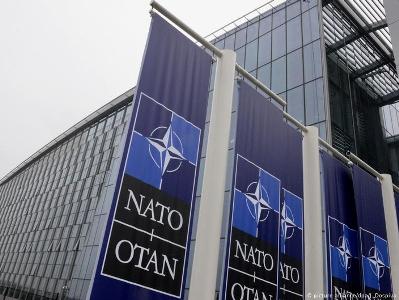
At the NATO summit to be held in The Hague on June 24 and 25, the alliance will discuss including Ukraine’s defense investments in a new spending target, which is expected to be adopted at the summit, Bloomberg reports.
Also, the North Atlantic Alliance will propose working to eliminate barriers to defense trade, according to a preliminary draft of the summit statement. The draft is likely to be amended before a final version is agreed upon at the meeting in The Hague.
The one-page statement is devoted exclusively to defense spending, a sharp contrast to last year’s statement, which contained more than 5,000 words and pledged long-term security assistance to Ukraine.
The brevity of the new statement and the upcoming summit, which will include a dinner with the Dutch king and a working session on defense spending, is intended to limit the potential for a public spat between US President Donald Trump and his allies, the sources said.
NATO Secretary General Mark Rutte said the summit aims to secure Trump’s victory by securing an agreement among alliance members to spend at least 5 percent of their GDP on defense.
Also, the alliance members will seek to maintain full US participation in NATO.
NATO members have committed to spending at least 3.5 percent of economic GDP on basic defense by the year 2032, plus an additional 1.5 percent on infrastructure defense, cyber defense and civil preparedness, in line with the 5 percent threshold required by the US.
The statement does not include the prospect of Ukraine joining NATO, which has been prominent at previous summits. The $40 billion pledge made to Kyiv last year has also not been revised.
The draft reaffirms the allies’ commitment to collective defense that an attack on one member is considered an attack on all members, and that allies will take appropriate action.
Also, the statement says that Russia will be recognized as a “threat” to Euro-Atlantic security, something most members have called for but have not taken as a matter of course. However, it will not be recognized as the aggressor in Ukraine.
But there is no mention of China, which has previously been described as a “decisive factor” contributing to Russia’s military operation in Ukraine.