make preferable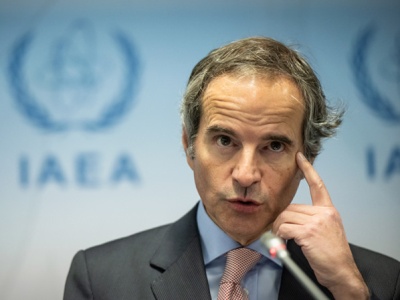
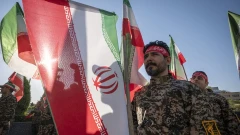
After Iran expelled International Atomic Energy Agency (IAEA) inspectors on Friday, the situation around Iran's nuclear program has become even more alarming. Rafael Grossi, director general of the agency, said this in an interview with Rzeczpospolita.
Grossi recalled that even before the conflict escalated, the agency's experts warned that Iran was hiding part of its nuclear activities.
"We have said before that Iran has the technological potential to build nuclear weapons. But potential doesn't mean that the bomb is already there. We don't have reliable data that Iran actually possesses a ready warhead," Grossi said.
He said the process of building a nuclear bomb would require not only sufficient enriched uranium, but also much more complicated steps. "It's months of work, maybe more. And all this is very difficult to completely conceal, especially with proper international supervision," the IAEA chief emphasized.
Rafael Grossi reminded again that a force scenario cannot permanently eliminate the threat. "Even if military force is used, it is impossible to completely destroy Iran's knowledge and industrial base. Iran remains a big country with serious scientific and technological potential," he said.
Grossi said the only way out of the situation is through long-term negotiations and a new, transparent agreement with the toughest possible inspection regime. "Many in Israel or the United States are skeptical of such agreements. But I always repeat: under strict control, it will be extremely difficult for Iran to develop its weapons program secretly. The inspectors will still find violations," he noted.
Grossi emphasized that Tehran's decision to expel the inspectors further reduces transparency. "The less access we have, the higher the risks for the whole international security. We have to be on the ground to check everything with our own eyes," he said.