make preferable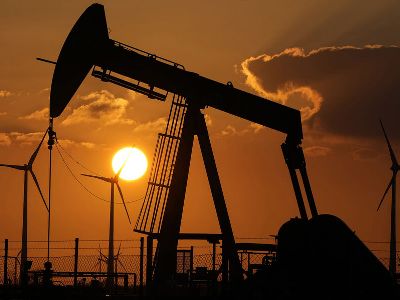
The Middle East war could trigger a serious economic crisis and a sharp rise in energy prices, Qatar's Energy Minister Saad al-Kaabi told the Financial Times. According to the minister, if the conflict continues, Gulf energy exporters could halt production within days, causing oil prices to spike and economies of several countries to collapse. If the conflict drags on for several weeks, global oil prices could rise to $150 per barrel. Today, Brent crude rose to $88 per barrel — the highest level since the start of the conflict in Iran. European gas prices also rose 5%.
Qatar's gas market problems began after an Iranian drone struck the country's largest LNG plant at Ras Laffan, forcing Qatar to declare force majeure on supplies. The country is the world's second largest LNG producer, and even if hostilities cease immediately, restoring normal delivery schedules will take weeks to months. The conflict may also delay Qatar's largest gas expansion project at the North Field, worth around $30 billion, which was set to increase LNG production capacity from 77 million to 126 million tonnes per year by 2027.
Al-Kaabi noted that other regional energy exporters are also struggling. "All exporters in the Gulf region will be forced to declare force majeure if the situation continues," he stated, adding that otherwise they face liability for contract non-performance. The minister emphasized that Qatar's gas production will not resume until there is a complete cessation of hostilities. "The signal will be when the military says attacks have completely stopped. We will not put people in danger," he said.