make preferable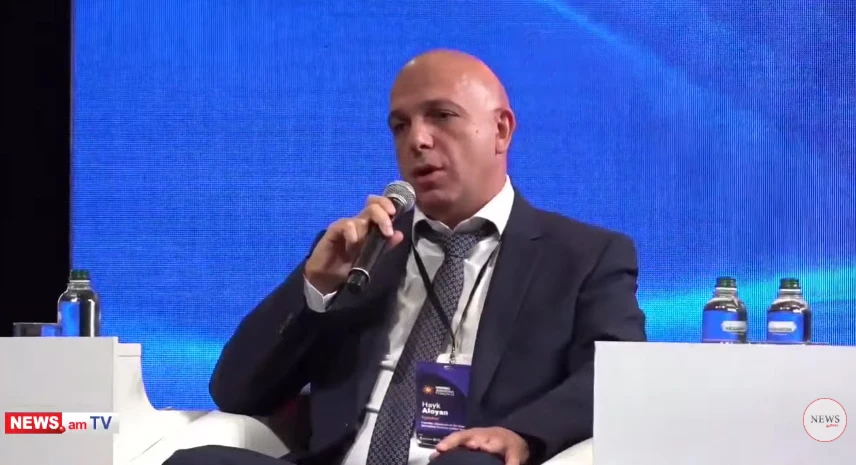
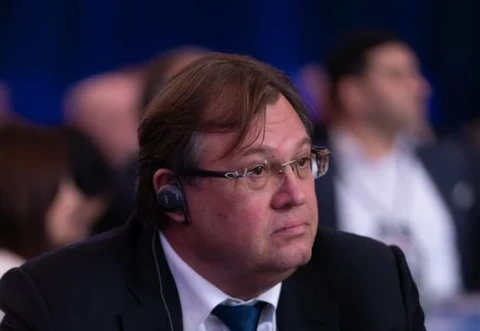
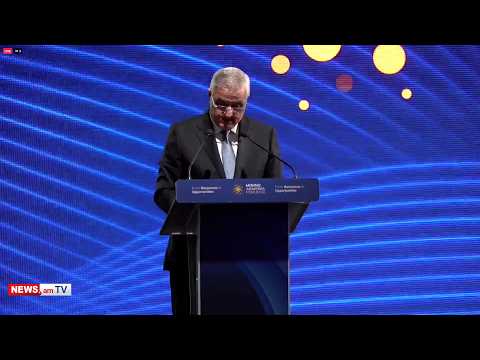
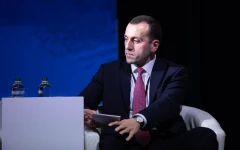
Armenia has the potential to conduct geological exploration, investigate new deposits, and subsequently develop them. However, the reliability of geological data needs to be improved to attract investors. Hayk Aloyan, founder, chairman of the board, and CEO of Lydian Armenia, made the remarks at the Mining Armenia Forum 2026.
According to Aloyan, most of the materials held in Armenia’s state geological archive consist of reports from the Soviet era. He considers their digitization a positive step, but noted that the accuracy of the original data remains a problem. At the time, technologies were not sufficiently advanced to provide the same level of accuracy as modern research methods. Aloyan cited core recovery during drilling as an example. In the past, this rate could be as low as 50–60% because of the limitations of drilling equipment. Today, core recovery reaches 92–95%, allowing more accurate data to be obtained.
This is crucial for investors. They need to examine the available information, analyze it, and use the results to decide whether to continue working on a project, invest funds, and develop a deposit. Aloyan also identified a lack of geological data as another challenge. Armenia’s geological exploration sector declined in the 1990s and is only now beginning to recover. At the same time, he expressed the view that the success of the Amulsar project would encourage medium-sized companies to conduct geological exploration and develop deposits in Armenia.
Two other important factors influencing investors’ decisions about whether to operate in Armenia are regulatory stability and time. Even if a country has the necessary legislation and an industry development strategy, investors need to understand the exact procedures and timelines for obtaining a license for a site they are interested in. They need to know when they can secure a permit, begin exploration, complete the work, and move on to developing a deposit.
According to Aloyan, this is an area where Armenia still has a gap. An investor might expect to receive a license within six to seven months of submitting an application, but for various reasons, including the misinterpretation of legislation, the process can sometimes drag on for one to two years. As a result, investors lose interest in the project, become disillusioned, and begin looking for alternatives. Aloyan believes the system should be organized so that investors know the exact procedural timelines in advance, understand when they will need to commit funds, and can anticipate when they will be able to begin operations in Armenia.
Aloyan also stressed that mining is inherently a long-term industry. During his 21 years in the sector, he has worked with eight prime ministers, each of whom had a different approach to mining. He noted that these changing approaches make regulatory stability particularly important for investors seeking to minimize their dependence on government decisions and domestic political developments.
Investors need to be confident that if they invest today and develop a deposit, they will still enjoy all the legally guaranteed rights to operate it 20 years from now. Aloyan concluded that, of course, the most important thing is that the investment should generate a profit.
The Mining Armenia Forum 2026 is co-organized by the Mining Forum Development Foundation and the Armenian Mining and Metallurgy Association. The forum, which is being held for the third time, is strategically sponsored by the Zangezur Copper Molybdenum Combine and Lydian Armenia. Ameriabank and Teghut CJSC are the general sponsors.