make preferable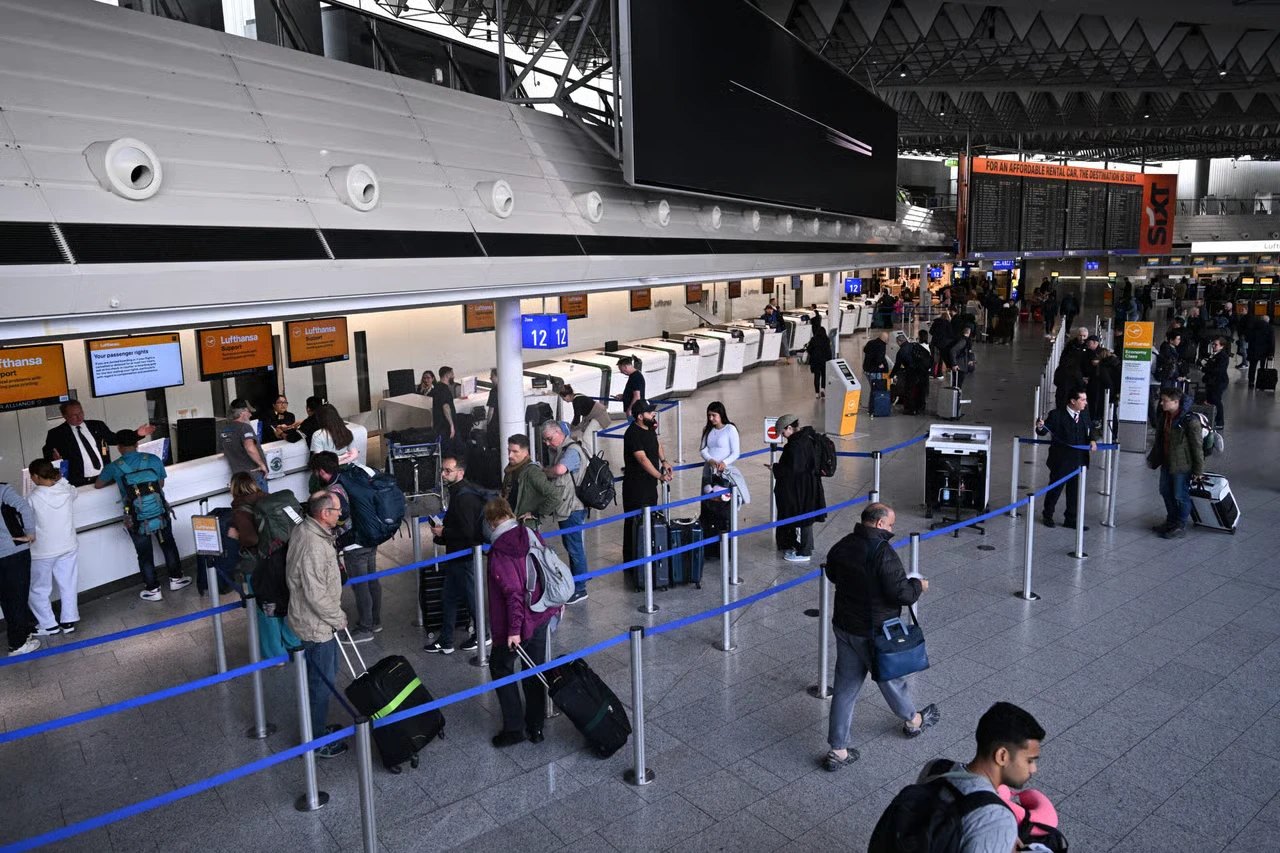
The European Commission will hold new talks with EU member states in an effort to prevent serious delays for tourists caused by the rollout of the new Entry/Exit System (EES) border control system in the middle of the summer season.
In a letter sent on Friday and obtained by Politico, European Commissioner for Migration Magnus Brunner said the system is designed to “ensure the security of our citizens without causing excessive inconvenience to visitors from outside the Schengen area.”
Airlines and industry associations had previously warned Brussels about the risks of long queues and disruptions at airports. According to them, the new system could lead to significant delays at border crossings.
The EES, which took about eight years to develop, will eliminate passport stamps for non-EU citizens and replace them with the collection of biometric data — photographs and fingerprints. The system is being implemented by national governments and has already been accompanied by technical problems and increased waiting times at borders.
The European Commission had previously denied any large-scale disruptions, but European Commission President Ursula von der Leyen acknowledged on Friday the existence of “technical problems” requiring further work on the system.
Brunner noted that the system is generally functioning in most countries and airports, although delays are being observed at certain border crossing points. He cited staff shortages and inadequate infrastructure as the reasons.
EU member states can now temporarily suspend the collection of biometric data in order to speed up border crossings. The European Commission said it intends to strengthen support for countries facing difficulties and work with them to eliminate queues.
According to data shared with Politico, since October 2025 the system has recorded 43,728 cases of refusal of entry into the EU for rule violations, including lack of grounds for entry, overstaying the permitted period of stay, and attempts to cross the border using forged documents.
After a phased rollout, the system became mandatory for all third-country nationals entering the Schengen area for short stays from April 10.