make preferable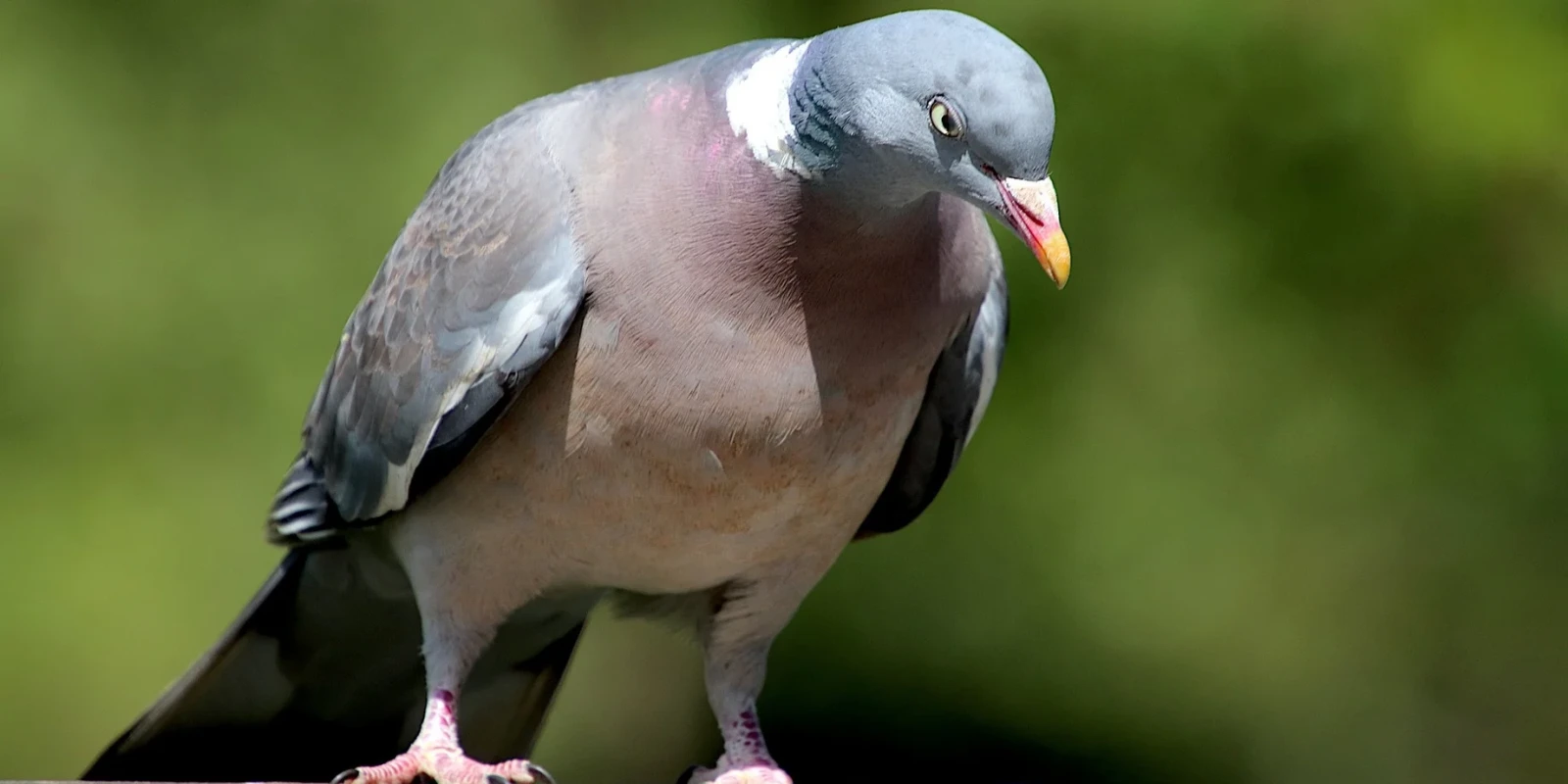
For decades, scientists have known that the Earth's magnetic field helps migratory birds and homing pigeons navigate. However, exactly how birds perceive the invisible sphere around Earth remained unclear.
Now scientists say that at least part of the answer lies in a single organ. Researchers have found that immune cells in pigeons' livers, known as macrophages, are sensitive to the planet's magnetic field. According to a new study, these cells function as an internal compass.
According to study co-author Klivia Lisowski, an immunology researcher at the University of Bonn, macrophages break down old red blood cells, which leads to iron accumulation, Focus reports. Iron makes macrophages superparamagnetic — a type of magnetism observed in certain nanoparticles. These nanoparticles can then become magnetized when exposed to a magnetic field. When pigeons fly, the nanoparticles align with the magnetic field and become magnetized, allowing the birds to sense the planet's magnetic field.
In the new study, Lisowski and colleagues tracked the location of magnetic cells in pigeons' bodies. Because the liver and spleen store significant amounts of iron, the researchers assumed these organs might be good candidates. According to study co-author Ulf Wiedwald, a nanoscience expert at the University of Duisburg-Essen in Germany, birds' livers showed a significantly stronger magnetic response than any other tissue examined in the study.
The team then focused on macrophages and tested these cells. The results showed that pigeons whose macrophages had been removed became disoriented in cloudy weather. But when the sun was shining, the pigeons reached the aviary, likely using solar cues. Thus, the scientists demonstrated how birds use magnetic perception for navigation, as well as the position of the sun.
According to Lisowski, the findings of the new study are important for research in immunology as well as for studies of animal navigation and magnetoreception. The authors also believe that this ferrimagnetic mechanism may explain how birds that migrate at night, as well as sharks, bats, and other animals that migrate in dark conditions, can perceive Earth's magnetic field.
The scientists also found that iron-rich macrophages are located incredibly close to nerve fibers. This points to the possibility that magnetic information is transmitted to the brain along this pathway. The study's results also show that, to perform various functions — such as protecting the body from pathogens and healing wounds — the immune system needs to perceive its environment. Put simply, everything indicates that the immune system is also capable of sensing our planet's magnetic field.