make preferable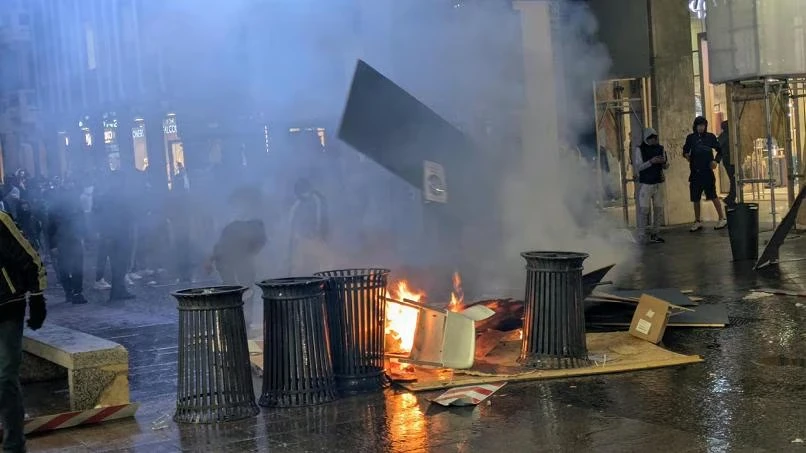
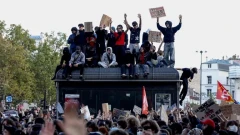
A mass demonstration against the rising cost of living in Milan on October 17 escalated into clashes with police, vandalism and looting in the city's historic centre. Law enforcement officers used tear gas and water cannon, and dozens of people were detained. According to the Italian news agency ANSA, around 20 people, including police officers, required medical attention.
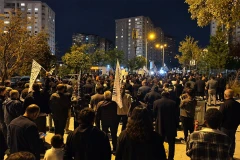
The demonstration was organised by the Italia in Piazza movement. Protesters opposed the rising cost of living, higher fuel prices and the tax burden. According to ANSA, more than 5,000 people took part in the march.
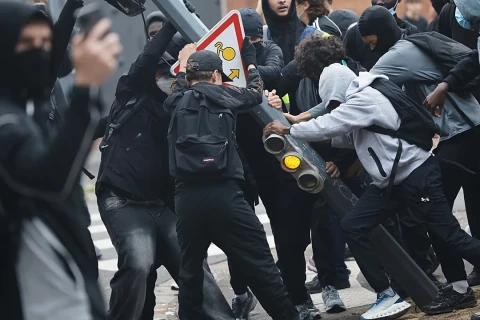
The demonstration was initially peaceful, but tensions later escalated. In the area around Via Broletto, protesters began throwing stones at police. According to ANSA, firecrackers and pyrotechnics were also used, while public transport stops and windows in historic buildings were damaged.
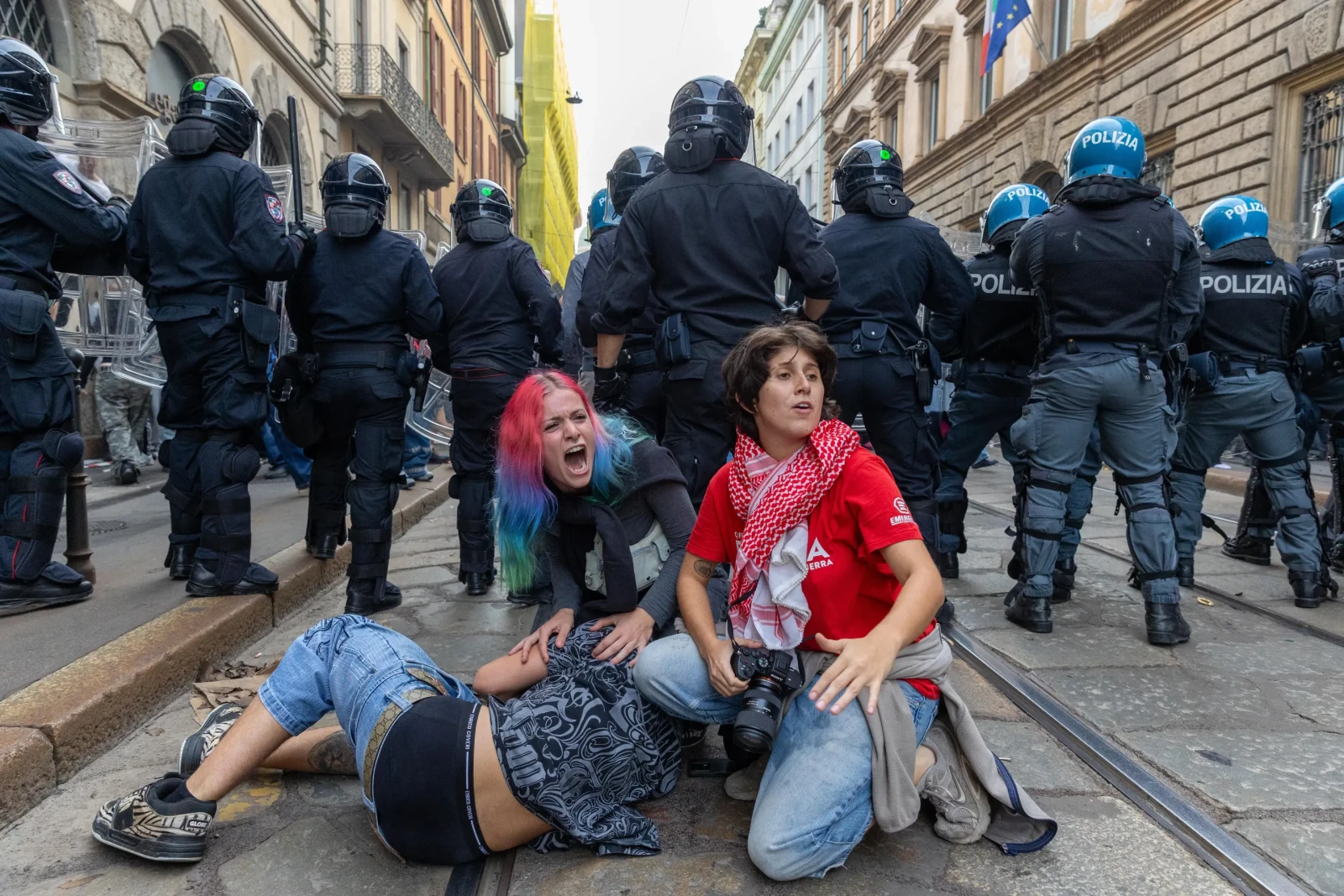
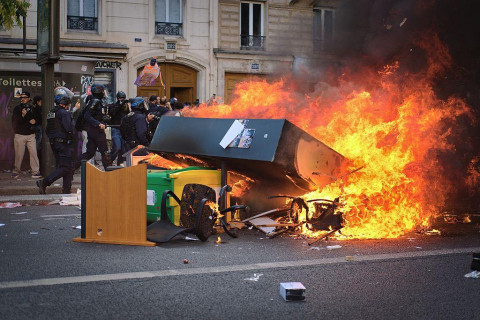
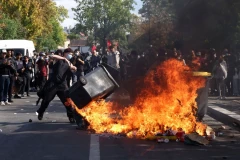
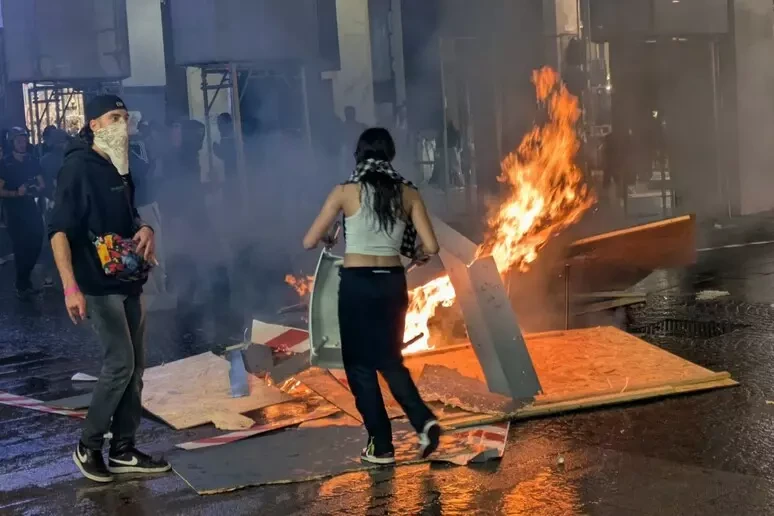
The clashes later spread to the area around Piazza del Duomo, home to the famous Milan Cathedral, and Piazza Cordusio. Groups of young people dressed in black with their faces covered threw stones, bottles, firecrackers and other objects at police. Some protesters erected barricades using street barriers and rubbish bins.
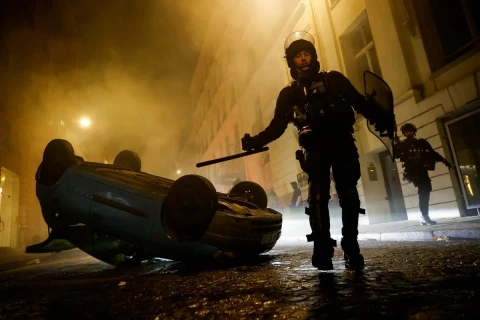
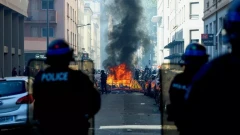
Police officers in protective gear attempted to push back the demonstrators. Water cannon were deployed to clear Piazza del Duomo, and tear gas was also used. As a result, the city's central square was left almost empty. Tourists and passers-by left the area, while shops pulled down their shutters.
According to Italian media reports, shop windows were smashed and stores were looted in the Galleria Vittorio Emanuele II shopping arcade and along nearby Corso Vittorio Emanuele. Broken glass, overturned tables and pieces of construction barriers were left scattered across the streets.
Injuries and detentions
According to ANSA, several police officers were injured during the clashes, including two who were struck on the head by stones. They required medical treatment, including stitches. Emergency services treated around 20 people in the Piazza del Duomo and Piazza Cordusio areas, with some taken to hospital.
By the evening of October 17, police had detained or taken to police stations around 50 people. According to ANSA, nearly half were minors. Final official figures for the number of people injured and detained had not been released at the time.
Authorities' response
Italian Prime Minister Giorgia Meloni condemned the violence, saying that the right to demonstrate did not justify violence or the destruction of cities. She called on opposition parties to unequivocally condemn the unrest.
“Taking part in demonstrations is a right, but turning our cities into battlefields is not,” Meloni said.
Attilio Fontana, president of the Lombardy region, also described the scenes as unacceptable. He said that those who used the protest as an opportunity to attack law enforcement officers and destroy urban infrastructure had nothing to do with defending the interests of students and universities.
Milan Mayor Giuseppe Sala acknowledged that residents had legitimate concerns about the rising cost of living but condemned the violence and damage inflicted on the city.
Protests in other Italian cities
Clashes were also reported in other Italian cities. According to ANSA, unrest occurred in Turin, Bologna and Bergamo. In Bologna, police clashed with young demonstrators near the railway station, while in Bergamo several people were taken to a police station following damage to street infrastructure.
Protests against the rising cost of living also took place on October 17 in other European countries, including France, Belgium and Portugal. In several cities, demonstrations were accompanied by clashes with police, arson and damage to buildings and shops.