make preferable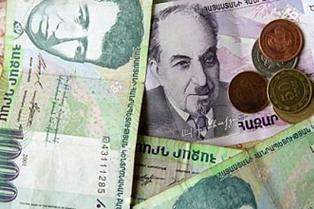
By Samvel Avagyan
This week, the AMD exchange rate has sprung a surprise by setting new records. On October 29, the Armenian dram exceeded the exchange rate of 358 AMD/U.S. $1. The average market exchange of the day was 357.61 AMD/U.S. $1. Since the market exchange rate was higher at the close, hardly any shocks should be expected in the financial market during the weekend. In any case, this has been the highest exchange rate over the last 18 months.
Obviously, the Central Bank of Armenia (CBA) is not making any serious steps to stabilize the national currency. The CBA makes weekly interventions of several million AMD, which hardly play a key role in the market. However, let us remember that the CBA has traditionally viewed November and December as a period for replenishing its currency reserves by purchasing U.S. dollars from the currency market. Many Armenian businessmen normally prepare for the New Year from November by flooding the market with U.S. dollars. Citizens, in turn, spend their saving in December.
Official data show Armenia’s foreign exchange market has been rather active this week. Banks purchased about U.S. 77 million and sold U.S. $85 million by means of exchange offices. For Armenia, this is evidence of a lively market. Although the demand for U.S. dollars exceeds that for the Armenian dram in the financial market, it is the Armenian dram that is revaluating. The banks’ U.S. dollar surplus may account for this – they can meet the growing demand for U.S. dollars without any problems. However, if the demand remains so high so some time more, banks will have to devalue the Armenian dram.
All the banks are expecting AMD devaluation. If not so, what accounts for the fact that, amid AMD revaluation, USD credits are available at an annual interest rate of 10%, the annual interest rate on AMD credits being 14%? On the other hand, if the AMD “falls short of expectations”, the banks that issue USD credits will sustain serious losses, as USD credits constitute over 50% of all credits.