make preferable
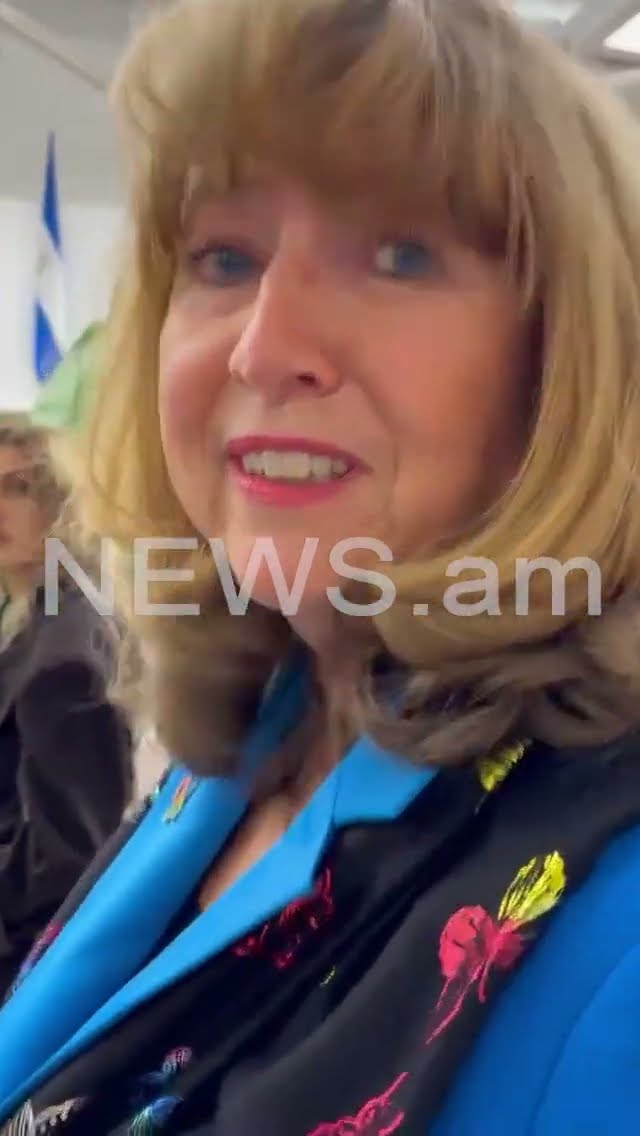
YEREVAN. - Yerevan and Hiroshima may become sister cities, head of Hikari center Karine Piliposyan told Armenian-News-NEWS.am correspondent.
The process kicked off back in 2009 but progress is slow, she said adding that efforts are needed. Japanese side is interested in the initiative, now it is up to the Armenian side.
“I think if development of relations with Japan is one of the priorities of our country, we should also be able to present the achievements, moves which have been made,” she said.
For several years, students of Hikari center, which is focused on promotion of origami, made and sent traditional Japanese lanterns and cranes on the occasion of the anniversary of Hiroshima tragedy. This year Armenian children sent 66 lanterns on the occasion of 66th anniversary.
“The idea emerged several years ago. I told children story of Sadako and saw tears in their eyes. I realized we had to do something to express our attitude to this tragic story,” said Karine Piliposyan adding that not only children but adults as well participate in the initiative to make a contribution to establishing peace in the planet.
Sadako Sasaki was two years old when an atomic bomb was dropped in 1943. When she was eleven Sadako was diagnosed with leukemia and given only a year to live.
Her best friend told her about an old Japanese legend which says that anyone who will fold thousand origami cranes will be granted a wish. Some say she managed to fold 1,000 and continued doing it, others claim the number of cranes reached 644. Sadako died in 1955 at the age of 12.
Every year on August 6 in 8:15, a minute, when atomic bomb was dropped, people come to Peace Memorial to honor the memory of innocent victims.
“We are honored that people are taking our children’s hand-made lanterns, even stand in line to float them on the water. And I dream about the day when a small group of Armenian children will be able to float hand-made lanterns to Japan and call on the world presidents to stop the war. I think their voices will be heard from there. Armenian children also know what the war is. There are still some people, including children, who are blown up on mines in bordering regions,” she said.
Karine Piliposyan stressed that Sadako cranes, although being fragile, have become a powerful weapon against war.
In 1958, the statue holding a Sadako crane was erected in the Peace Park in Hiroshima. A plaque on the monument reads: “This is our cry. This is our prayer. Peace on Earth.”