make preferable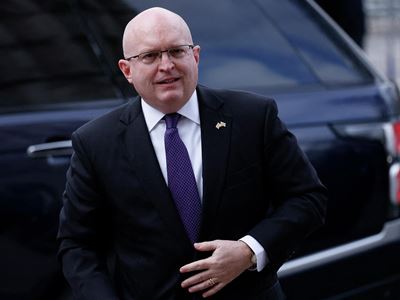
The pace and the depth of the current negotiations between Yerevan and Baku show the potential for achieving a solution to the conflict, which the US has not seen for a long time, U.S. Secretary of State's adviser on Caucasus negotiations and OSCE Minsk Group co-chair Philip Reeker said, speaking at a Senate Foreign Relations Committee hearing.
According to him, the authorities in both countries still have much work to do, including investigating allegations of violations of human rights and international laws and bringing perpetrators to justice. While the U.S. and EU encourage and facilitate negotiations, Armenia and Azerbaijan determine their content.
Direct negotiations between the two countries, driven by their interests rather than the interests of outside players, have the best chance for long-term success, he said.
The US will support these efforts in any way they can, he said, adding: "We will support those efforts in anyway we can. Secretary Blinken has offered US technical assistance on issues arranging from border delimitation to the planning of transportation roads.
"While the resolution of contentious issues remains the responsibility of Armenia and Azerbaijan, I’ve made it clear the international community and the US has a specific responsibility to ensure that the rights and security of ethnic Armenians are addressed credibly and line with a peace settlement.
"I repeatedly encouraged leaders in both countries to consider an international mechanism, or construct to ensure monitor and report on any agreement involving Nagorno-Karabakh.
"We are encouraging them to choose a future of prosperity, and demonstrate the wisdom of working together on a peace that would benefit the people of the region for generations to come on. Our efforts will continue to this goal and will do so in any way we can."