make preferable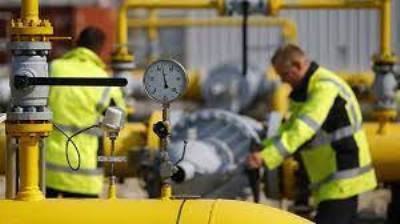
Despite the successful filling of gas storage facilities ahead of winter, the energy crisis in Europe is far from over. In fact, the situation for Europe may get even worse next winter, when supplies of Russian pipeline gas will fall to a minimum at best, Oilprice.com reported.
According to estimates by the European economic think tank Bruegel, published by the International Monetary Fund (IMF), European households and businesses are already facing a $1.06 trillion increase in total energy costs. According to Bruegel analysts, if governments in Europe do nothing but offer financial support, and if they cover the price increases, the amount would amount to a whopping 6 percent of the EU's annual GDP.
Massive government support could delay adjustment to the new price equilibrium and create a need for even more support, Bruegel experts say.
Instead, the EU needs a grand bargain to boost savings while boosting supply.
The next 12 to 24 months will determine whether Europe can deal with the energy crisis without resorting to mandatory rationing or losing too much industry competitiveness.
Europe's energy systems have already been put to their first real test this month amid an Arctic cyclone sweeping much of northwestern Europe.
According to Gas Infrastructure Europe, natural gas storage in the EU has begun to empty, and as of Dec. 17, storage levels were 84 percent. Stocks are higher than at this time last year, but the real test for Europe will come next year, when it will have to replenish enough gas storage to meet the demands of winter 2023/2024.
This is where planning becomes more difficult, depending on how low inventories will be after this winter and whether the EU has the ability to import record amounts of LNG and continue to beat prices in Asia, especially if demand in China recovers.
With lower gas consumption and little Russian gas coming through pipelines, the EU continues to reduce its dependence on Russia from about 40 percent of its imported gas supply to less than 9 percent, according to EU data from September.
However, a significant drop in Russian gas supplies this year occurred only in June.
Ahead of the winter of 2023/2024, the gap in Europe's gas supply will be much larger without Russian gas. Europe will not import much Russian gas - or at all if Russia stops supplying via the only remaining active link via Ukraine and via Turkish Stream - compared to relatively stable imports from Russia in the first half of this year, before Moscow began gradually reducing volumes via Nord Stream in June and then halted the pipeline in early September.
According to a recent IEA report, if Russian gas supply falls to zero and Chinese LNG demand recovers to 2021 levels, the gap between demand and supply in the EU could reach 27 billion cubic meters in 2023.
Huge weather uncertainties and the EU's ability to compete with a potential increase in Asian LNG demand will determine how Europe fares next winter.