make preferable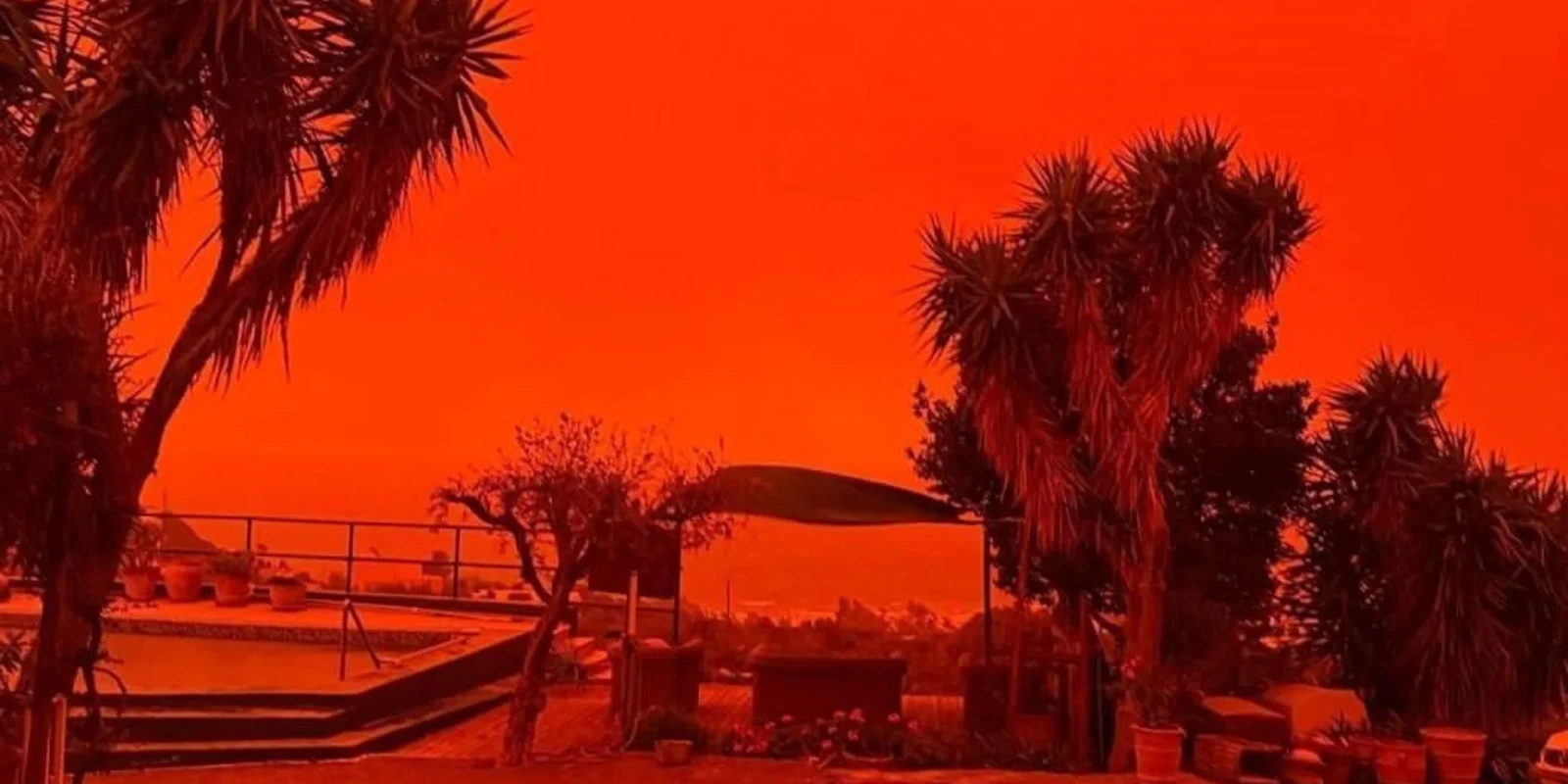
Over the past decade, dust from the Sahara has increased air pollution in the United Kingdom by 50% and raised the likelihood of so-called “blood rain.” This conclusion was reached by scientists from the Paul Scherrer Institute, and the study results were published in the journal Nature.
Using artificial intelligence, the researchers analyzed more than 18,500 daily measurements of mineral dust content in the air, collected in 103 urban and rural areas across Europe from 2012 to 2021. It turned out that the concentration of desert dust was steadily increasing across most of the continent. In the United Kingdom, this figure rose by at least 50%.
According to the authors, the reason was not an increase in the number of dust storms in the Sahara, but a rise in their intensity. Due to increasing aridity in North Africa, winds are carrying significantly more sand and mineral particles into Europe than before.
Saharan dust can travel thousands of kilometers and reach the British Isles. It is what causes the characteristic orange sunsets, hazy skies, and “blood rain” — precipitation tinted a rusty red color because of desert dust impurities. After such rain, orange traces remain on cars, windows, and other surfaces.
However, the consequences go far beyond unusual weather phenomena. Fine particles can penetrate deep into the respiratory tract, causing coughing, irritation of the eyes, nose, and throat, difficulty breathing, and worsening asthma.
The authors of the study warn that as climate change intensifies and North Africa continues to desertify, air pollution from desert dust will become an increasingly serious problem for Europe and create additional health risks for the population.