make preferable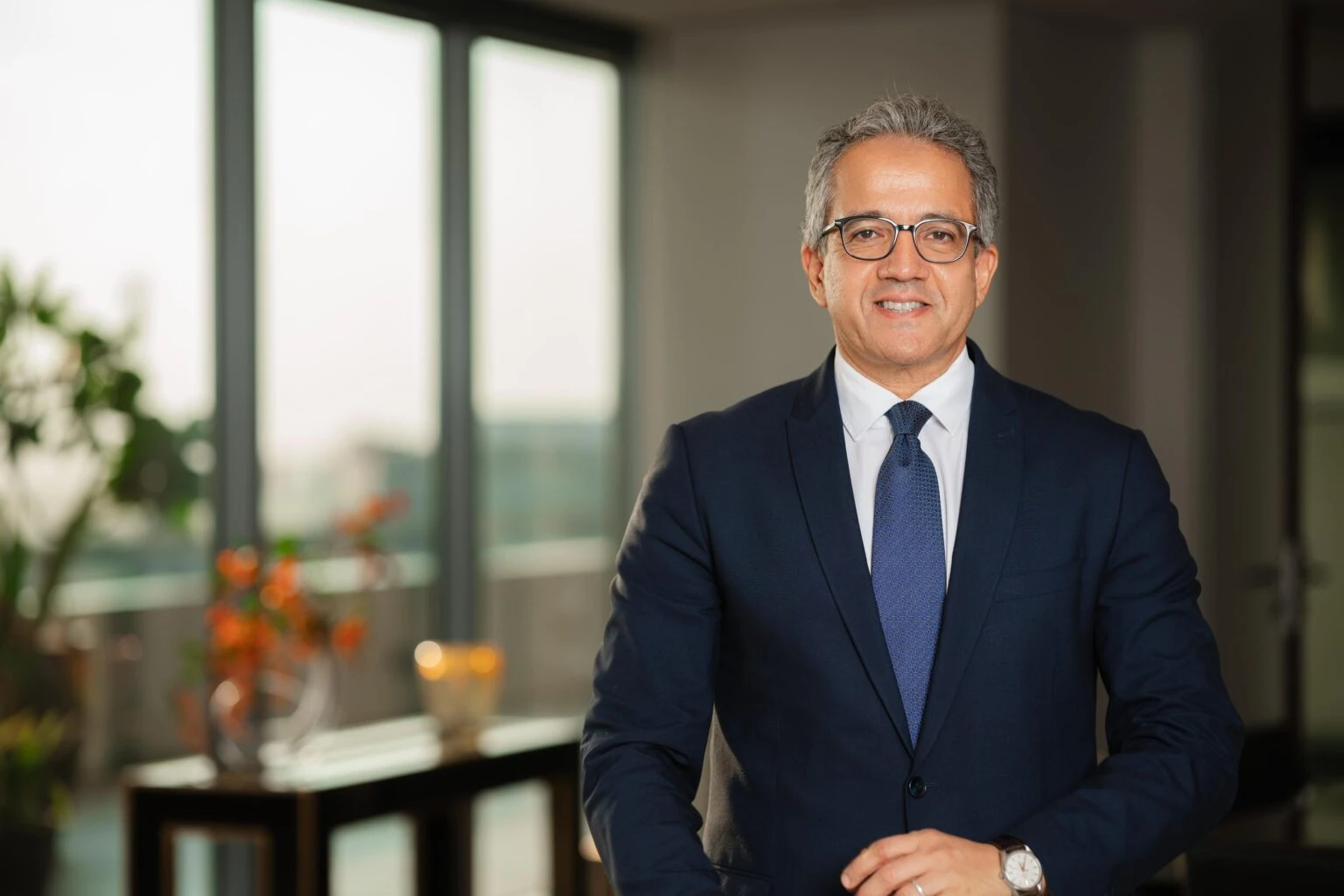
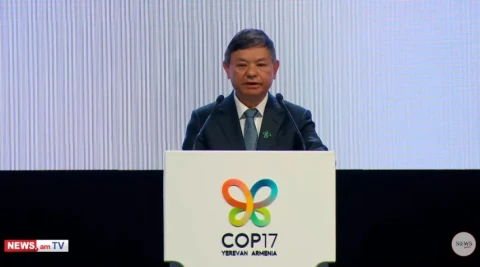
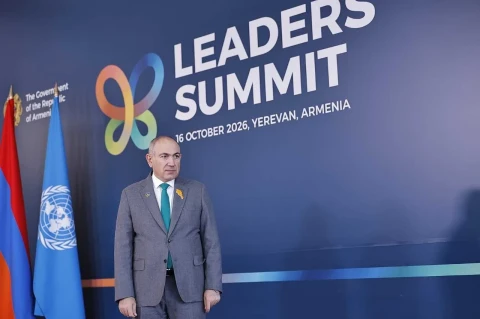
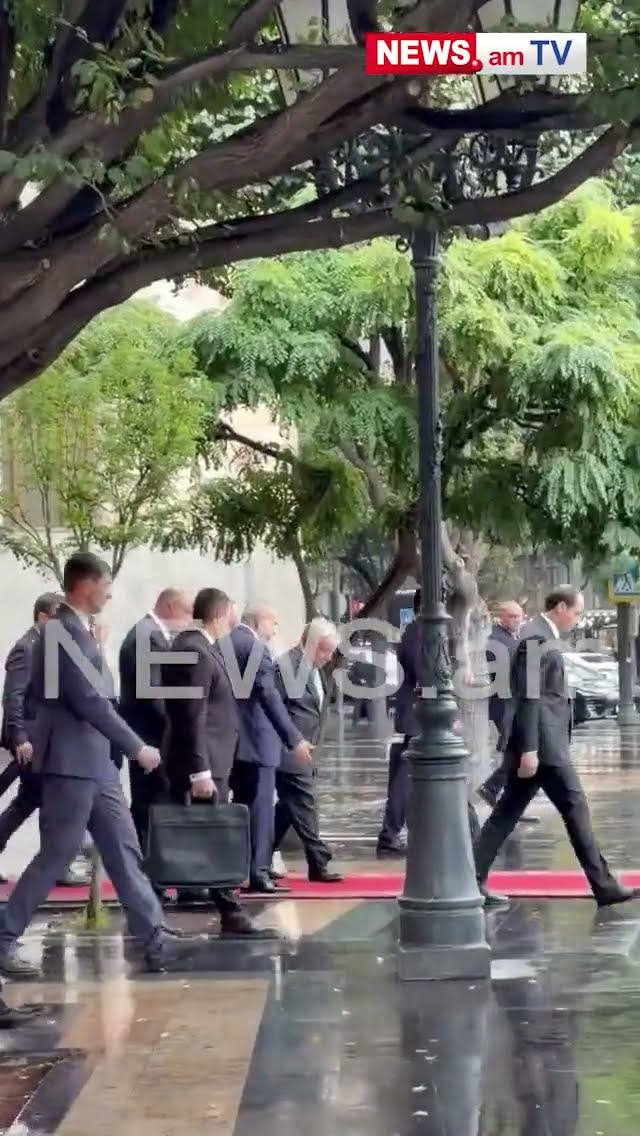
The world is halfway through implementing the Kunming-Montreal Global Biodiversity Framework, and while some progress has been made, much more remains to be done to meet the targets set for 2030. UNESCO Director-General Khaled El-Enany made the remarks on October 16 at the Leaders' Summit on Biodiversity held in Yerevan as part of COP17.
El-Enany noted that the positive news was that effective approaches were already known. This year, UNESCO published the first assessment of its global network, which encompasses more than 2,300 cultural and natural heritage sites, biosphere reserves and geoparks covering a total area of 13 million square kilometers. Despite the global decline in biodiversity, wildlife populations across these territories had remained generally stable. He attributed this resilience to the long-term efforts of the 900 million people living in these areas.
He said this reflected UNESCO’s vision of itself as an organization that works for people. Protecting biodiversity meant supporting those whose lives and livelihoods depended on healthy ecosystems.
According to El-Enany, the priority now was to scale up these successful practices by using UNESCO-designated sites to implement national biodiversity strategies, monitor progress and test new solutions. Education and capacity-building would be essential to these efforts.
UNESCO welcomed the opportunity to contribute to the draft Global Action Plan for Education on Biodiversity, which was due to be considered at COP17 in the coming days.
Beyond raising awareness, El-Enany stressed the need to equip young people and local communities with the knowledge and skills to become agents of change, develop solutions and participate fully in decisions shaping the future of biodiversity. Science and knowledge were equally important. UNESCO would continue supporting its member states by promoting international cooperation through the Man and the Biosphere Programme and providing essential data to inform evidence-based policymaking.
He also emphasized UNESCO’s determination to strengthen the links between biodiversity and cultural heritage, including through the upcoming Nature and Culture Summit, which the organization was holding jointly with its Armenian partners.
The COP17 summit also offered an opportunity to deepen cooperation with governments, development banks, the private sector and local communities, particularly in areas such as sustainable tourism, El-Enany added.
The next four years would determine whether the potential of the Global Biodiversity Framework could be realized. He remained optimistic, noting that many of the necessary tools, knowledge and partnerships were already in place. The challenge now was to translate them into concrete action and lasting results.
El-Enany concluded that UNESCO was ready to draw on the full scope of its mandate in education, science, culture and communication and work with all partners to accelerate action for the benefit of people and the planet.