make preferable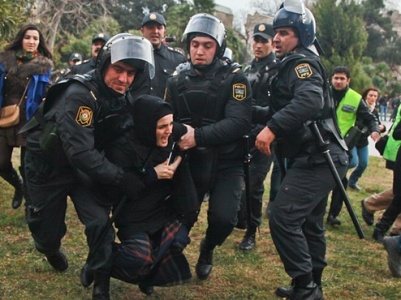
Internationally recognized for their work defending human rights, the verdict in the trial against the Yunuses will sound the death knell for Azerbaijan’s once-vibrant civil society, Souhayr Belhassen, Chairman of the Observatory for the Protection of Human Rights Defenders, wrote in The Guardian.
According to her, that same civil society, which powerfully protested the decision to hold the Eurovision Song contest in Baku in 2012, is now in tatters.
In her words, long prison verdict against Leyla and Arif Yunus is expected to be brought in very soon. “For more than a decade Azerbaijan has made shameless use of caviar diplomacy to charm European governments, its most important oil and gas clients. In return Europe has turned a blind eye to Azerbaijan’s human rights violations. In the name of Leyla and Arif Yunus and all Azerbaijani democracy campaigners, the climate of impunity must end now,” the human rights defender writes.
She reminds that today dozens of civil society activists face similar fates: Held arbitrarily and accused of similarly spurious charges, many have already received long prison sentences. “Much to the chagrin of the Azerbaijan government, hosting the European Games this summer served above all to shed light on the country’s ongoing human rights violations,” Belhassen writes.
She also points out that after the European Games closing ceremony on 29 June, the wave of repression has escalated as the regime takes its revenge on its critics. “Azerbaijan is fast becoming a full-blown dictatorship,” she stresses.
According to the author, individual European governments must urgently and forcefully speak out against President Aliyev’s campaign of repression. “European governments must set clear conditions for the continuation of relations with Azerbaijan: Leyla and Arif Yunus and all human rights defenders and political prisoners must be freed immediately, NGO laws amended, bank accounts of NGOs and activists unfrozen. Civil society actors must be allowed to work without constraints or fear of retribution. The protection of human, civil and political rights must come before economic and geopolitical interests,” Belhassen writes.