make preferable
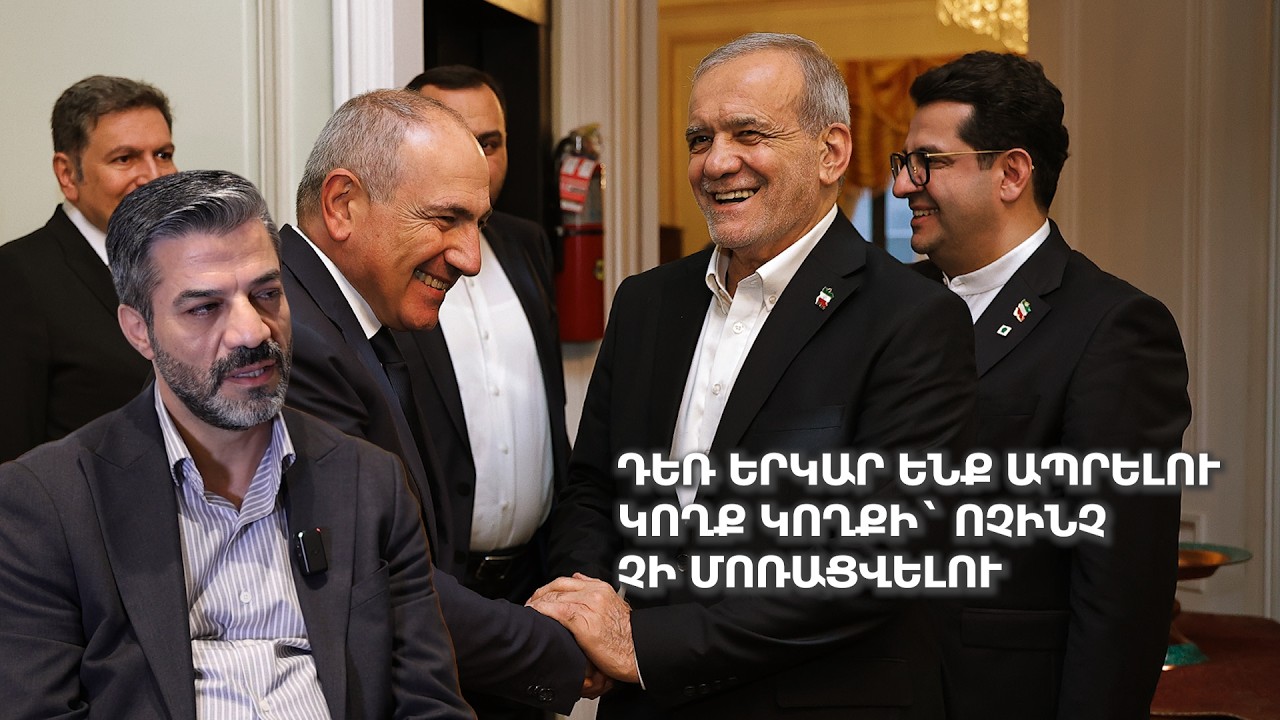
“Turkey and Armenia have finally signed the Protocols that outline the timing and the process for the two countries to establish diplomatic relations and open their border” the article by Turkish analyst Emre Uslu published in Turkish Zaman daily reads.
“The key issue in the protocols was that there was no reference to the Nagorno-Karabakh dispute between Armenia and Azerbaijan, which would give enough room for Armenia to explain to its public that Armenia had successfully separated the Azerbaijan-Turkey alliance that has been putting Armenia under pressure. For the Turkish government, it was something that would create public discomfort. For Turkey, one of the successes was the agreement to form a historical commission to investigate genocide claims. This agreement is a major setback for the Armenian diaspora, as most politicians around the world believe that the Armenian genocide issue is a sealed debate because respected historians have provided enough evidence to prove that the 1915 events were genocide. Thus the sealed Armenian genocide debate has been reopened to discussion; this at leastcould provide enough time for Turkey to reposition itself and reformulate its policies toward Armenia,” Uslu says.
“For this very reason, the Armenian National Committee of America (ANCA) issued a statement about the Turkey-Armenia protocols, saying: &‘The success of Turkey in pressuring Armenia into accepting these humiliating, one-sided protocols proves, sadly, that genocide pays. President Obama, rather than honoring his pledge to recognize the Armenian Genocide, went in exactly the opposite direction, applying the full force of our nation’s diplomacy to twist the arm of a landlocked and blockaded Armenia — a nation still struggling with the brutal legacy of its near-destruction — into accepting a dangerous set of protocols that call into question this very crime against humanity. The ANCA and all Armenian Americans will continue our efforts to restore morality to our nation’s response to the Armenian Genocide, and, more broadly, to the cause of genocide prevention. We will also work to prevent Turkey from using this agreement to further its genocide denial campaign, to undermine the rights of the Armenian nation, or to threaten the freedom of Nagorno Karabagh.’
”Although the protocols have no immediate impact until both parliaments ratify them, the political implication on the Turkish and Armenian public would be much greater than the actual outcomes of the signed documents. One of the reasons for that is the power of the Armenian diaspora, which has already declared the protocols a lost battle. In the collective Armenian memory, the “lost battle argument” has deeper meaning. The Armenian identity, especially in diaspora communities, is constructed based on the victimization argument that kept the Armenian communities intact. The Armenian church has played a large role in keeping Armenian communities unified based on the victimization argument. It seems the mystic elements of Christian faith and victimization of Armenians have made a “perfect match” for the Armenian church to reconstruct the Armenian identity around the great tragedy of the 1915 events. The Turkish-Armenian agreement has turned everything upside down and poses a major threat to this Armenian identity," Turkish analyst concludes.