make preferable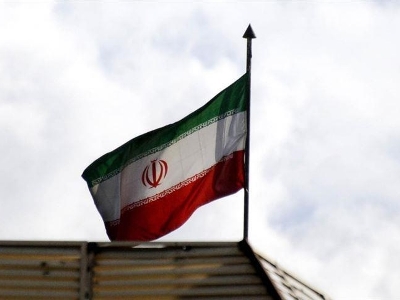
Despite battling a wave of unrest, Iran remains vigilant about developments in the South Caucasus region and is ready to safeguard its interests in the region, the Tehran Times writes.
"Over the last few weeks, Iran has been dealing with an unprecedented wave of unrest that broke out over the death of Mahsa Amini, a young girl who died in police custody. The unrest came at a time when the South Caucasus region has become a flashpoint of sporadic skirmishes between Armenia and Azerbaijan.
On Sunday, the Azerbaijani ministry of defense said Azerbaijani forces along the border with Armenia came under fire and took “adequate retaliatory measures.”
Armenia denied firing at Azerbaijani forces. "Units of the Armenian Armed Forces did not open fire in the direction of the Azerbaijani positions, and the daily dissemination of such misinformation by the Ministry of Defense of Azerbaijan is nothing but an attempt to artificially create tension on the border,” a spokesperson for the Armenian defense ministry said in a statement.
The resumption of tension on the Armenian-Azerbaijani border has long been a source of concern for Iran, given Azerbaijan's plans to create the so-called Zangezur corridor, which, if implemented, would cut Iran's land border with Armenia.
Iran's concerns about international borders in the South Caucasus region escalated after the Karabakh war in 2020. Since then, Iran has warned that it will not accept any border changes in the region.
The recent turmoil in Iran has further exacerbated these fears, as Iran has been busy putting its own house in order. But a senior Iranian official calmed fears about the situation in the South Caucasus region. Mohammad Jamshidi, the Iranian president's deputy chief of staff for political affairs, said the unrest was not distracting Iran from observing events in the region.
Iranian President Seyed Ebrahim Raisi met with his Azerbaijani counterpart Ilham Aliyev on the sidelines of the CICA summit in Astana last week. "In this meeting, Ayatollah Raisi rejected any change in the historical borders, the geopolitics of the region, and the Iran-Armenia transit route. He said it will elicit a decisive response from Iran. Ayatollah Raisi also rejected European military presence in the region under any cover. He said internal issues won’t distract us from the Iranian nation’s strategic interests,” Jamshidi said of the meeting on Twitter.
At the meeting, Raisi said the national sovereignty and territorial integrity of Azerbaijan and Armenia must be respected, according to a release from the meeting.
"From the point of view of the Islamic Republic of Iran, any change in the historical and geopolitical borders of the region and any change in the transit status of Iran and Armenia are rejected,” President Raisi said. Recalling that the Islamic Republic of Iran was the first country to welcome the liberation of Nagorno-Karabakh, he added: "“Iran is ready to use its great capacity to resolve the discords between Azerbaijan and Armenia.”
For his part, the Azerbaijani president gave a detailed report in Prague on regional developments and the latest status of multilateral talks between Azerbaijan and Armenia.
He also stressed the observance and respect for the Islamic Republic of Iran's international borders.
Iranian Foreign Minister Hossein Amir Abdollahian exchanged views on the most important issues in bilateral, regional and international spheres in a telephone conversation with Azerbaijani Foreign Minister Jeyhun Bayramov on Saturday.
Amir-Abdollahian noted the depth of Iran-Azerbaijan relations and called the recent meeting of the two presidents on the margins of the Conference on Interaction and Confidence Building Measures in Asia (CICA) summit in the capital of Kazakhstan important.
Referring to the recent developments in the Caucasus region, the Iranian Foreign Minister stressed support for the sovereignty and territorial integrity of countries, including Azerbaijan and Armenia, stressing that this approach is a permanent policy of the Islamic Republic of Iran.
Amir-Abdollahian said that the presence of foreign forces in the Caucasus is a common problem for the countries of the region and stressed that the IRI is against the deployment of any foreign forces in the region.