Preferred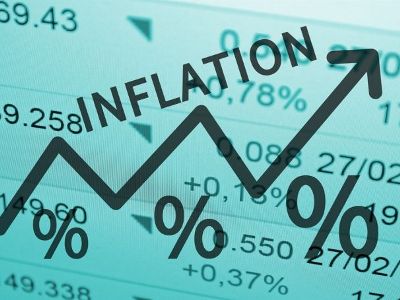
In the fourth quarter of 2024, the 12-month inflation rate of Armenia remained below target at 1.5 percent, and 12-month natural inflation rate also remained low at 1 percent in December, the Central Bank of Armenia's (CBA) press service informed Armenian News-NEWS.am.
The CBA Board has decided to reduce the refinancing rate by 0.25 percentage points to 6.75 percent. The Board believes that a lower refinancing rate is necessary to achieve the goal of achieving a 3 percent inflation rate and achieving price stability in the medium term.
Also, the CBA Board has decided to continue the gradual reduction of interest rates at a slow pace. The Board will continue to monitor economic development scenarios and stands ready to take appropriate measures to ensure the 3 percent inflation target and price stability over the medium term.
Downside risks to economic growth persist globally and in Armenia’s main partner countries in the first quarter of 2025. Inflation in partner countries has increased, and price growth in goods and services, characterized by hard prices, remains significantly above the target level. Risks remain in terms of price increases in international commodity markets and potential disruptions in supply chains, mainly due to increased international trade tensions. At the same time, labor market conditions remain tight in Armenia’s partner countries, especially in the US.
In these circumstances, it is likely that major central banks will continue to gradually reduce interest rates more slowly than previously expected, while maintaining relatively tight monetary conditions. As a result, a weak inflationary impact on the Armenian economy is expected.
In the fourth quarter of 2024, Armenia’s economic activity continued to approach long-term growth estimates. The growth in economic activity was largely driven by strong growth in services, construction, and trade. It continued to be affected by some short-term factors, which entail significant uncertainty about the sustainability of economic growth, long-term prospects, and future trends in the domestic market. Labor market conditions continued to weaken, accompanied by wage increases, service inflation, and some weakening of inflation expectations.