make preferable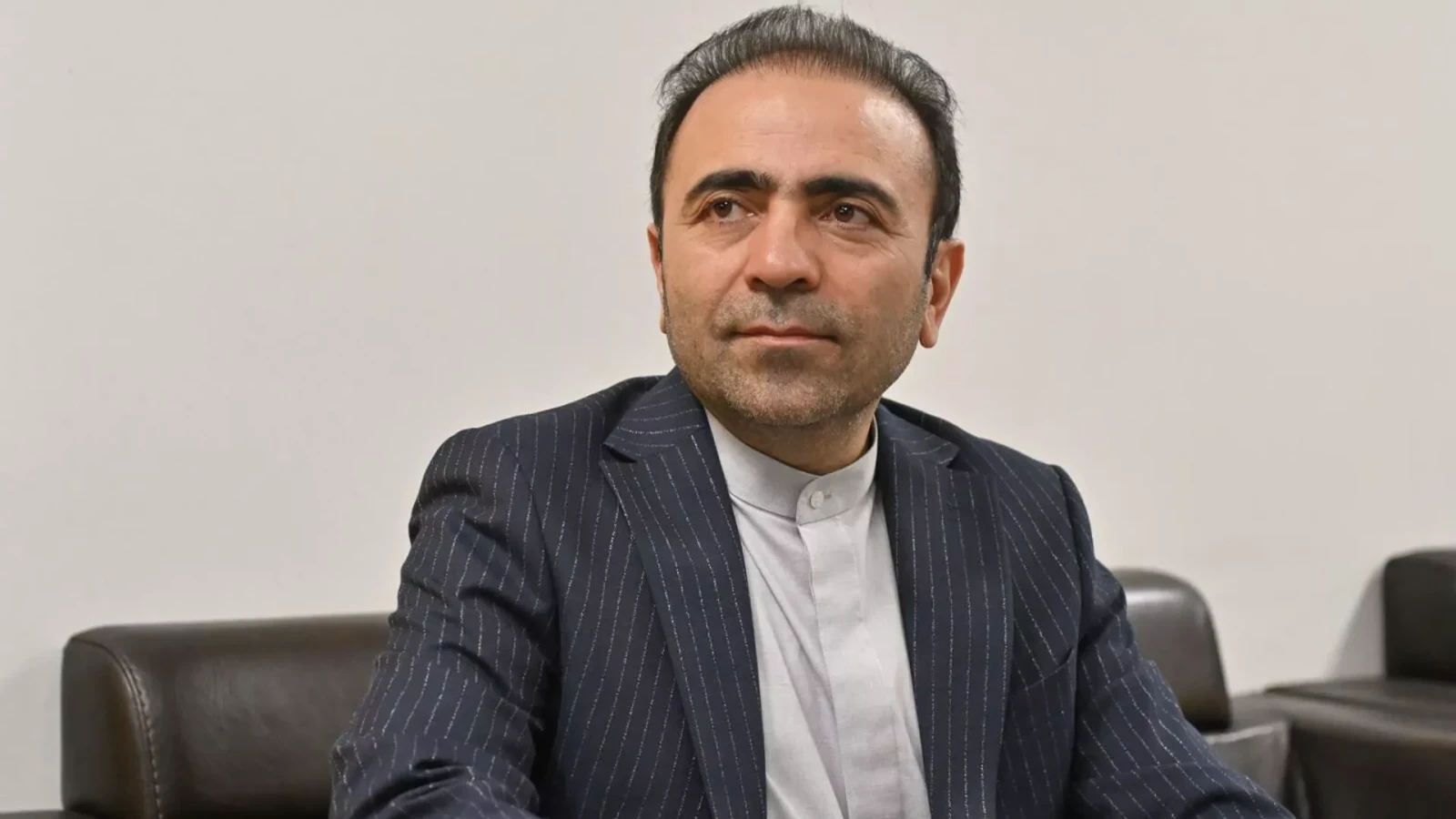
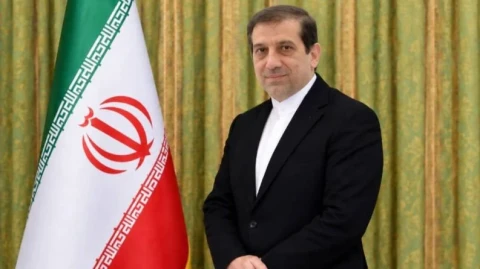
Khalil Shirgholami, Ambassador of the Islamic Republic of Iran to Armenia, issued a statement on the occasion of the International Day for the Total Elimination of Nuclear Weapons. The statement reads as follows:
“Nuclear Weapons for None, Sustainable Security for All
A world free of nuclear weapons is not merely a distant ideal; it is a benchmark for measuring the resolve of the international community to safeguard human security and existence. September 26, the International Day for the Total Elimination of Nuclear Weapons, offers an opportunity to once again pose this fundamental question: can sustainable security be built upon the existence of weapons whose use would bring irreversible consequences for humanity and the environment? Today, as more than 12,000 nuclear weapons continue to exist worldwide, the international community’s answer to this question has assumed heightened significance.
The Islamic Republic of Iran maintains that nuclear disarmament, non-proliferation, and the right to the peaceful use of nuclear energy are three inextricably linked principles, none of which can be pursued in isolation from the other two. A world free of nuclear weapons can only be realized when international rules are applied equally to all states and when, alongside the prevention of proliferation, concrete steps are taken toward disarmament. The members of the nuclear club must likewise commit to reducing their nuclear warheads.
Iran’s position regarding nuclear weapons is clear. The Islamic Republic of Iran does not consider nuclear weapons a source of security and, pursuant to the religious decree (fatwa) of the late Leader of the Islamic Republic of Iran, Ayatollah Seyyed Ali Khamenei, regards the production, stockpiling, retention, and employment of nuclear weapons as forbidden (haram). At the same time, Iran considers its right to benefit from peaceful nuclear knowledge and technology to be legitimate and grounded in the Treaty on the Non-Proliferation of Nuclear Weapons (NPT).
The President of the Islamic Republic of Iran, Dr. Masoud Pezeshkian, articulated this stance clearly at the 81st Session of the United Nations General Assembly: ‘Neither nuclear weapons nor deprivation from nuclear knowledge.’ Referring to what Iran regards as double standards in nuclear matters, he further stated: ‘The atomic bomb is in Israel, yet the inspectors are in Iran.’
Beyond political disputes, this issue calls into question the very credibility of the international non-proliferation regime: if the objective is to prevent the proliferation of nuclear weapons and advance toward disarmament, this goal must be pursued universally and without discrimination. The credibility of international rules will only be sustained when both non-proliferation and disarmament are addressed simultaneously and free of double standards.
Iran is not opposed to the principles of oversight and verification. Professional and technical monitoring by the International Atomic Energy Agency (IAEA) can serve as a component of confidence-building mechanisms to ensure the exclusively peaceful nature of nuclear activities. Conversely, attacks or threats of attacks against peaceful nuclear facilities are incompatible with the principles of nuclear safety and security and the imperative to protect peaceful nuclear activities.
From the perspective of the Islamic Republic of Iran, the nuclear issue has no military solution. The path forward lies in dialogue and a balanced agreement that, on one hand, provides credible and verifiable assurance regarding the peaceful nature of Iran’s nuclear program, and on the other, recognizes Iran’s legitimate rights. As the President of Iran emphasized at the United Nations, Iran stands ready for dialogue and diplomacy, but will not accept the language of force.
At the regional level, Iran has for decades supported the establishment of a nuclear-weapon-free zone in the Middle East.
Achieving this goal requires a comprehensive approach devoid of double standards—one that simultaneously addresses the security of all states in the region, disarmament, non-proliferation, and the right to the peaceful use of nuclear technology.
The International Day for the Total Elimination of Nuclear Weapons is an opportunity for the international community to reaffirm a clear principle: nuclear weapons for none; peaceful nuclear knowledge and technology for all. Sustainable security will be achieved not through a race for more weapons, but through disarmament, respect for the equal rights of states, dialogue, and diplomacy.”