Preferred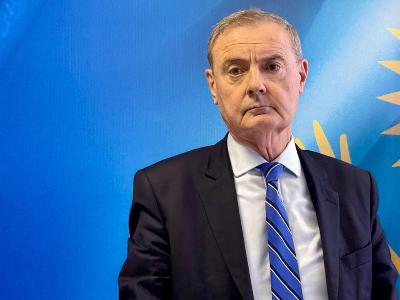
According to an internal report from the German foreign ministry, the European Union (EU) Foreign Affairs Council meeting held in Brussels on May 20 discussed possible further sanctions on Russia, past successes and shortcomings, Tagesschau reports.
The closed meeting was attended by senor officials, including EU Sanctions Envoy David O'Sullivan, and director of the EU Intelligence and Situation Center, Daniel Markic.
According to the report, O'Sullivan and Markic stressed that the sanctions on Russia will have a significant impact on the country’s economy. The EU has achieved some success in its sanctions policy in terms of export of military goods via third countries, in particular countries such as Armenia, Serbia, Uzbekistan, and India.
But difficulties remain with Kazakhstan, the United Arab Emirates (UAE), and Turkey. The UAE has said exports have been halted, but it has not provided any statistics.
Import data have drawn mixed conclusions. China, including Hong Kong, is responsible for about 80% of the evasion of sanctions, O'Sullivan said, and continues to deny this. EU companies are also involved, which weakens the EU Commission's position in negotiating sanctions with third countries.