make preferable
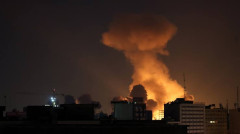
The escalation of the conflict around Iran has led to a sharp rise in oil prices: Russian Urals prices have increased by more than 70%, while global benchmark Brent has consolidated above $100 per barrel. As of March 20, Brent was trading around $110, while Urals stood at approximately $106 — well above the $59 per barrel figure built into the 2026 budget.
Experts note that such market conditions could significantly improve Russia's financial position. According to analysts, a $10 rise in the average oil price brings the budget up to an additional 1 trillion rubles. At current levels, additional revenues could reach 3–4 trillion rubles per year, which could largely cover the budget deficit planned at around 3.8 trillion rubles.
In a scenario where Urals holds in the $90–100 per barrel range, the budget could receive an additional 2.5–3.5 trillion rubles. However, if prices begin to fall in the second half of the year, the overall effect would be closer to 1.5–2 trillion. Overall, oil and gas revenues could exceed 12 trillion rubles compared to the planned 8.9 trillion.
An additional effect comes from the weakening of the ruble: since the beginning of March it has depreciated by around 10%, increasing exporters' ruble revenues and tax receipts. However, on March 20 the Russian currency strengthened to 84 rubles per dollar after temporarily weakening to 88. Exchange rate volatility is linked in part to the suspension of foreign currency sales under the budget rule.
That said, actual export revenues may differ from market quotations. Due to sanctions, Russian oil is often sold at discounts not reflected in public prices, which could reduce the actual budget impact.
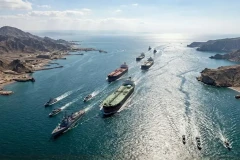
The market situation largely depends on the situation around the Strait of Hormuz. Restrictions on shipments through this key route have been one of the drivers of price increases. Iran has begun partially restoring transit by organizing a "safe corridor" for certain vessels and charging a fee for passage — reportedly around $2 million per tanker.
Analysts believe that in the short term, oil prices will depend directly on how the conflict develops. Further escalation, including attacks on infrastructure or a blockade of the strait, could push prices toward $150 per barrel and beyond. In the event of reduced tensions and expanded transit through the Strait of Hormuz, prices could stabilize or decline. The current situation thus presents Russia with both significant budgetary opportunities and risks associated with high market volatility and geopolitical uncertainty.