make preferable
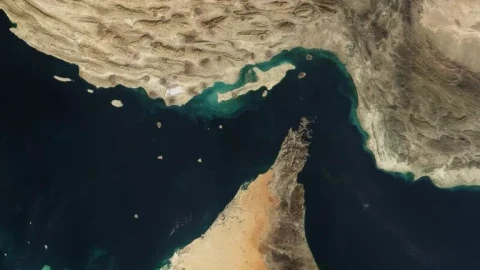
Global oil prices surged on July 13 after a new escalation in the conflict between the United States and Iran, heightening investor concerns about possible disruptions to crude supplies through the Strait of Hormuz. Against this backdrop, most Asian stock markets opened lower, Euronews reports.
Brent crude rose 3.9% to $78.96 per barrel, while U.S. WTI crude gained 4% to reach $74.26 per barrel.
Not long ago, prices had returned to levels seen before the conflict began, following a temporary easing of tensions and the resumption of shipping through the Strait of Hormuz. However, the situation flared up again after a series of U.S. strikes on Iran that followed an attack on a container ship in the Strait of Hormuz. In response, Iran launched strikes on facilities in several Middle Eastern countries.
The escalation of the conflict had a negative impact on stock markets. Futures on U.S. indexes declined: the S&P 500 contract lost 0.4%, the Dow Jones fell 0.3%, and the Nasdaq dropped 1%.
Sell-offs also dominated Asian markets. Japan’s Nikkei 225 fell 1.1%, while South Korea’s Kospi lost 5.6%. Shares of chipmaker SK Hynix, which had surged after its recent Wall Street debut, fell 10.6%, while Samsung Electronics shares declined 6.7%.
At the same time, Hong Kong’s Hang Seng added 0.1%, while China’s Shanghai Composite fell 1.2%. Australia’s S&P/ASX 200 lost 0.3%.
Despite Friday’s positive close in the United States, when the market was supported by gains in shares of companies linked to artificial intelligence, investors are increasingly focusing on two key risks: geopolitical tensions and the upcoming corporate earnings season.
Additional pressure on markets is coming from concerns that a possible reduction in oil supplies could lead to faster inflation. This, in turn, could force the U.S. Federal Reserve and other major central banks to keep interest rates higher for longer or even raise them further, which could slow the global economy and increase volatility in financial markets.