make preferable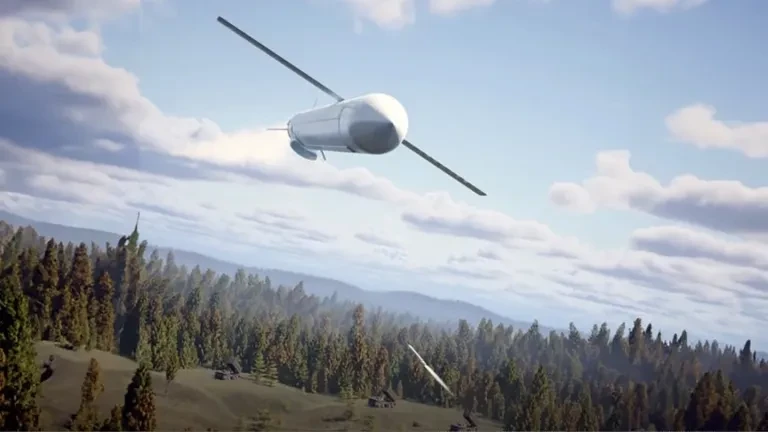
Britain and Germany are entering a “golden age” of defense cooperation, creating a long-range missile to protect Europe from Russia, the Telegraph writes.
“Signaling a possible shift away from the traditional ‘Franco-German engine’ of European leadership, Berlin and London aim to field the Deep Precision Strike (DPS) missile by 2034. The weapon is intended to destroy rear supply lines on Russian territory.
Sources familiar with Britain’s defense strategy note that London has discarded Cold War-era stereotypes of Germany as a passive player and now sees it as a key element in countering Moscow.
Both sides have found common ground in a pragmatic approach to cooperation. For the Germans, this has been a welcome contrast to the constant disputes and clashes of ambition that clouded their relationship with France. The countries have also largely turned the page on disagreements from the Brexit era.
At the core of the new relationship are two bilateral treaties — Trinity House and the Kensington Agreement — which opened the way for a whole series of joint projects led by Germany’s defense industry:
Naval drones: a fleet of autonomous vehicles to protect British waters from Russian saboteurs (manufactured by the German company Helsing in Plymouth).
Specialized barrel production: the £400 million “Gun Hall” complex at the Rheinmetall plant in Telford for producing artillery systems and guns for Challenger 3 tanks.
Armored vehicles: production of new versions of Boxer armored personnel carriers for the British Army.
Small arms: the acquisition by the German group Heckler & Koch of a facility in Essex to expand the production of weapon components.
The DPS program: the “jewel in the crown”
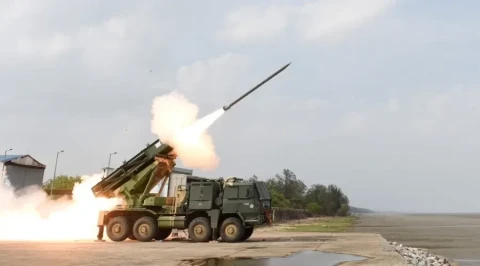
However, the main joint project is the DPS missile program, capable of striking strategic targets at a distance of more than 2,000 km.
The £30 billion program was announced as a British-led project involving 12 allied countries at the NATO summit in Ankara in July 2026. Germany is expected to play a key role in it, combining German funding with British technical developments.
Friction with the US and disappointment with France
The DPS project is seen as a symbol of Europe gradually reducing its dependence on US military support. This is happening against a backdrop of growing tensions between Washington and Brussels: Donald Trump’s administration said that European countries are deluding themselves if they think they can overtake the US in the defense industry.
At the same time, the Anglo-German alliance has become an alternative to the failed Franco-German FCAS future fighter project, which effectively fell apart because of internal disagreements, clashes of ambition, and the parties’ unwillingness to share technology.