make preferable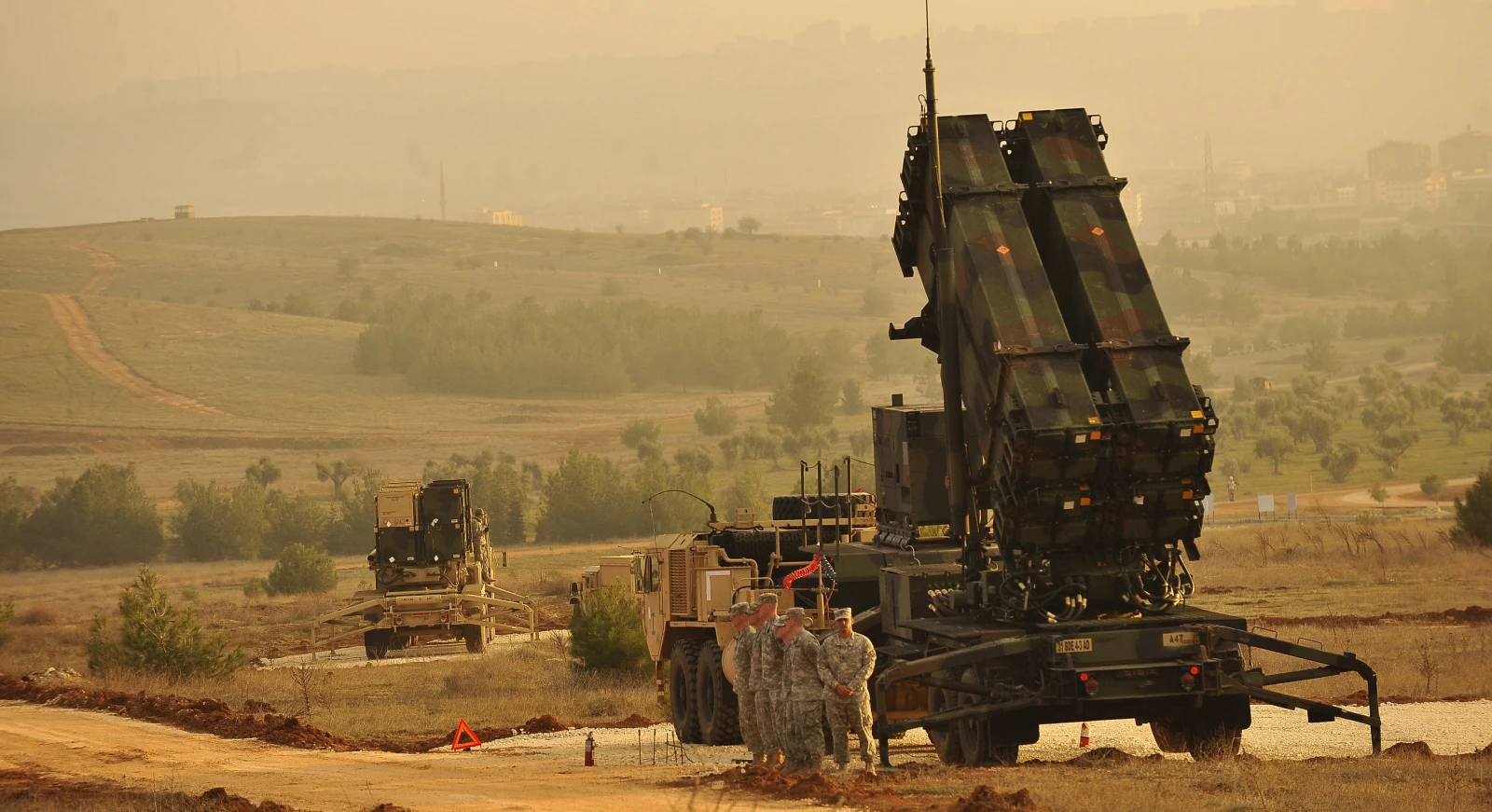
NATO and European Union (EU) countries are pressuring Spain and Greece to provide Ukraine with additional interceptor missiles for its US Patriot systems, as Kyiv is facing a shortage of air defenses amid increasing Russian air strikes, sources said, Bloomberg reports.
Talks on the matter have been ongoing since the summer. In particular, an option was discussed under which Norway could buy missiles from one of the countries and then transfer them to Ukraine.
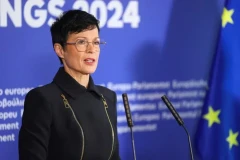
The matter will be discussed at a meeting of EU defense and foreign ministers in Ireland on Tuesday and Wednesday. The main issue is air defense, and Ukraine is short of interceptors, said EU foreign policy chief Kaja Kallas. The Patriot PAC-2 missiles are in particular high demand.
Spain and Greece have some of the largest stockpiles of such weapons among Ukraine’s allies. Moreover, some of the missiles are nearing their expiration dates, which European officials say makes it more appropriate to transfer them to Kyiv. Some countries have interceptors that are about to expire, and it would be great if they were transferred to Ukraine, Kallas said.
Greece has so far resisted pressure. Athens says it needs to keep the missiles for its own defense, amid a long-standing rivalry with Turkey. Spain has pledged 1 billion euros in military aid to Ukraine in 2026. The problem is not just the availability of missiles.
Many European countries fear that transferring their Patriots will weaken their own defenses. In addition, the production of new interceptors takes a long time, and Patriot and European SAMP/T complexes are facing delivery delays. Some of the weapons for Ukraine could be delivered in the coming months under the PURL program, under which NATO allies buy American weapons for Kyiv.
At the same time, the EU is considering using the 90 billion euro loan provided to Ukraine to purchase additional Patriots. France and Italy are in favor of directing the funds to European SAMP/T systems, while other countries fear that this would complicate and slow down deliveries to Kyiv. The EU countries are scheduled to vote on this matter next Monday.