make preferable
YEREVAN. – From 2014 to 2016, a total of 156,784,003 drams (approx. $382,245) is planned to be spent for the neutralization of the radioactive waste in Armenia.
A total of 49,353,009 drams will be spent in 2014, 51,736,001 drams in 2015, and 55,694.3 drams in 2016, as the expenditure interim program of Energy and Natural Resources Ministry for 2014-2016 says, “EcoLur” NGO reports.
With these funds the radioactive wastes will be transported, examined, preserved, neutralized and buried in compliance with the nuclear and radiation standards and rules to protect people and environment from harmful impact of nuclear radiation. The program will be implemented by Radioactive Waste Neutralization CSJC.
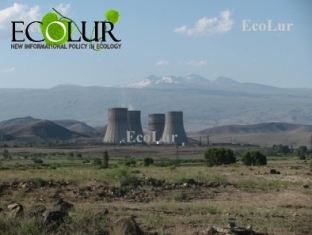
The radioactive wastes in Armenia are stored in Armavir Region, in the territory of Armenian Nuclear Power Plant (ANPP) in Metsamor. The radioactive wastes of the ANPP used to be transported to Russia, but the railway connection was blocked because of the blockade, and therefore the radioactive wastes are stored in the territory of the ANPP.
RADON storage facility is also located in the territory of the ANPP. The projected capacity of the storage facility is 2,520 cubic meters, consisting of three separate facilities, each with 840 cubic meters. Only one storage facility is operated, where only three isolators are completely or partially full of wastes.
To remind, in 2010, and upon the Energy and Natural Resources Ministry’s order, Yerevan State University Center for Geological Prospecting started explorations in the administrative territory of Zangakatun and Urtsalanj villages in Ararat Region, where a storage facility for radioactive and hazardous chemical substances and wastes was planned to be constructed. Despite unrests between the locals and environmentalists, this problem was solved, as then Ararat Regional Governor Edik Barseghyan had promised Ararat residents that no storage facility would be constructed in their region.
According to the specialists in this field, the problem is not solved as to where the wastes will be buried once the storage facility becomes full. But one thing is clear: the problem of storing used nuclear fuel is solved.