make preferable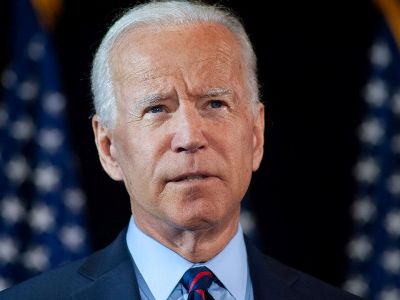
Israel used the recent visit by General Mark Milley, chairman of the US Joint Chiefs of Staff, to pass on several messages to the incoming US President Jo Biden’s administration regarding Iran and other regional developments, senior Israeli officials said, Axios reported.
Israel is very concerned about President-elect Biden's plans on Iran and the 2015 nuclear deal, but has yet to open direct contacts with the incoming administration. Milley is a potential bridge to Biden's White House because he is expected to stay on beyond the transition.
“We wanted to make our case to the new administration on Iran through someone who is still going to be in the room when Biden assumes office and is going to play a substantive role in any policy review that will take place," an Israeli official said.
Milley arrived in Israel last Thursday after visiting several Arab capitals. It was his third visit to the region this year, and came amid fears of Iranian retaliation over the assassination of Iranian nuclear scientist Mohsen Fakhrizadeh.
Milley met with Prime Minister Benjamin Netanyahu, Minister of Defense Benny Gantz and Israel Defense Forces Chief of Staff Gen. Aviv Kochavi.
The main message to Milley from the Israelis was that Biden shouldn't rush back into the 2015 deal but should instead take advantage of the fact that Iran is in a weak position, Israeli officials who attended the talks say.
The Israelis were saying that if Biden doesn't use the leverage the U.S. has accumulated through its "maximum pressure" sanctions regime, the Israelis argued, he'll find it impossible to make a better deal later.
“What is needed now is to be tough in order to get a better deal," an Israeli official said.
Biden says he will return to the 2015 deal if Iran returns to compliance and attempt to use it as a platform to negotiate a broader and longer-lasting deal. That would require the U.S. to lift sanctions and Iran to unwind its recent nuclear activities.
The Israelis also told Milley that the incoming administration should be more flexible when it comes to relations with Saudi Arabia and the United Arab Emirates, despite concerns over their records on human rights, the officials said.
“We think it is important the next administration will keep the momentum of the normalization process, and we think that at the current point in time what needs to lead U.S. policy is this historic regional opportunity. So we hope the new administration will look at the complexities and not burn the bridges with those countries," an Israeli official told me.