make preferable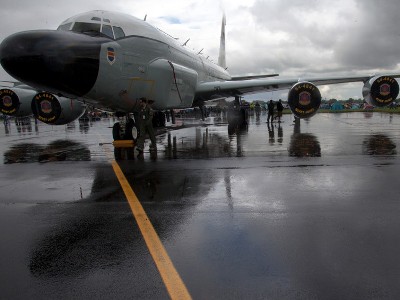
NATO is weighing options for strengthening air and missile defenses to combat threats such as drones and cruise missiles.
The range of challenges facing the alliance has grown over the past decade as both state actors such as Russia and terrorist groups can acquire and arm drones by the thousands, said Air Marshal Johnny Stringer, deputy commander of NATO Allied Forces.
He said the proliferation of cruise missiles and the first combat applications of hypersonic missiles are also a concern, Bloomberg reported.
According to him, the alliance must ensure that its air defense capabilities, from radar and shared early warning systems to missiles, reflect the threat we face. Stringer added that this will continue to be an important area as Russia resorts to cruise missile strikes against key national infrastructure in Ukraine.
NATO is already exploring what that future position will be and what the future set of capabilities should be, he said, declining to provide more details.
In particular, drones could be a problem for air defense systems because they tend to fly low and are difficult to detect. Ammunition to destroy them can often cost more than the drones themselves, Stringer said, adding to the cost of waging war, though that depends on the defense systems used.
The war in Ukraine also showed how easy access to space services, such as GPS and other encrypted communications, can change the nature of warfare. According to Stringer, the growing number of commercial providers with hundreds of satellite constellations, such as Elon Musk's Starlink, allows people to use this domain, which was previously a closed book.
While this may create more threats, Stringer said, it may also create more opportunities because the military is no longer tied to specific systems.