make preferable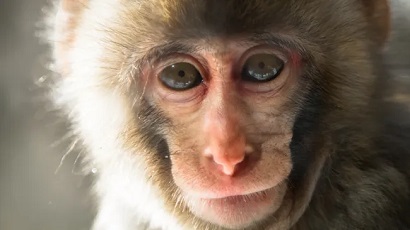
Scientists have fixed a hole in a monkey's retina with a patch derived from human stem cells, reports Live Science.
This feat—described in a study published in the journal Stem Cell Reports—is a step forward in retinal transplantation.
The retina is the layer of light-detecting cells in the back of the eye, and damage and disease to the tissue can cause vision loss and blindness. Such conditions can be difficult to treat. Sometimes doctors can move part of the patient's own retina from its outer edges to the center, but this inevitably leads to blind spots in the periphery.
The new study focused on repairing a macular hole. In this rare condition, a hole develops in the very center of the retina, at the "fovea," which is needed for central vision and sharp focus. Macular holes often occur when the jelly-like substance inside the eye pulls away from the retina, causing tears. About 90% of such cases can be surgically treated, but the remaining 10% can leave patients with blurred vision or blind spots.
Dr. Michiko Mandai, director of the research center at the Kobe Eye Hospital in Japan, has been working for years on developing miniature, lab-grown versions of retinas from stem cells. These retinal "organoids" are sheets of light-detecting cells, derived from stem cells that can be nudged to develop into any tissue in the body.
Mandai and her team grew a retinal sheet from human stem cells and used it to surgically patch the monkey's retina—sort of like applying a patch to torn clothing. The transplant was safe and effective, and the monkey's performance on visual tests improved post-surgery, they reported.
The only complication of the procedure was a mild rejection of the patch, seen four months after the surgery, Mandai told Live Science.
Rejection involves the immune system attacking the transplanted tissue, and in this case, the team resolved the problem with steroid injections that suppressed that immune response.
The rejection may have been due to the cross-species nature of the transplant, Mandai said.