Preferred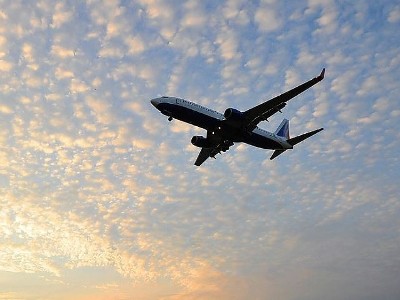
A “jet-setter” tax on Europe’s frequent flyers could slow global heating and raise €64 billion (£54 billion) a year at no extra cost to most people, a report has found, reports The Guardian.
Carbon pollution pumped out of planes could fall by 21% if people were made to pay more for each extra flight they take beyond the first return trip, according to analysis from the New Economics Foundation (NEF) and partner organizations. Just over half the benefits in a given year would come from the 5% of people who fly the most, while 72% of people would escape fees by flying once or not at all.
A frequent-flyer levy would raise cash that could be invested in trains and buses while reducing “excessive” flights for the wealthiest, said Magdalena Heuwieser from the campaign group Stay Grounded, which co-wrote the report.
The report, shared exclusively with The Guardian, is the first to explore how a frequent-flyer levy could work in Europe.
Researchers from CE Delft modeled the climate effects of a staggered tax on flights and found the proposal would reduce passenger numbers in 2028 by 26% and emissions by 21% from a business-as-usual scenario.
The levy would start at zero for the first return flight in 12 months and rise by €100 for each return trip, with surcharges for longer distances and first class travel.
AdaStone Law explored the legal implications and concluded the proposal was feasible under EU and national laws, though strict data privacy laws could cause problems when ticket sellers display prices to customers.
Rich people would be most affected because they fly more often, an analysis of polling data from More in Common shows. It found only 15% of households with a yearly income below €20,000 flew enough to pay the proposed levy, rising to 63% of households with an income above €100,000.