make preferable
European gas prices have posted their sharpest rise since the 2022 energy crisis, jumping 115% compared to late February to reach 68.8 euros/MWh (nearly $835 per 1,000 cubic meters).
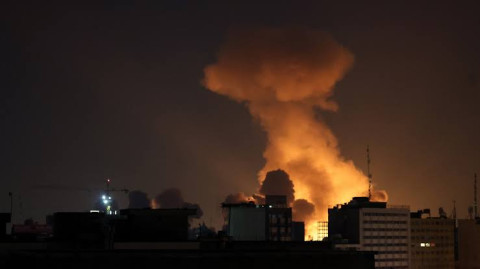
While Europe imports only 6–8% of its LNG from Qatar — which has halted supplies due to the war in Iran and the blockade of the Strait of Hormuz — it will now have to compete with other buyers for shrinking resources. The US supplies around 60% of Europe's LNG imports, but as Bernstein analysts noted: "If you need an extra tanker of US gas in Berlin, you'll have to offer a high enough price to keep it from going to Tokyo." Several LNG tankers bound for Europe have already diverted to Asia, Bloomberg reports.
Europe is ending this heating season with storage levels below 30% — well under the five-year average of around 45% — meaning it will need to purchase significantly larger volumes ahead of the next season.
Goldman Sachs has raised its Q2 European gas price forecast from 45 to 63 euros, assuming no Qatari supplies until end of March with a gradual ramp-up through April. Morgan Stanley warns that the halt in Qatari LNG production could eliminate most of the global LNG surplus forecast for this year, and that an absence of exports lasting more than a month "will quickly create a deficit."
For context, the current crisis remains far smaller than in 2022, when prices peaked above 340 euros/MWh in August — roughly $3,600 per 1,000 cubic meters.