make preferable
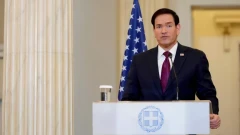
Secretary of State Marco Rubio used the automatic message deletion function in work chats, which violated the regulations governing officials of the United States diplomatic corps, Atlantic magazine claims, citing a source.
The publication notes that after the leak of a chat discussing U.S. strikes on Yemen in March 2025, a court requested proof from the secretary of state’s office that the correspondence on his phone was not being deleted and could be reviewed if necessary. In response, the State Department initially said that Rubio used special software that saves all messages, and later began claiming that he allegedly does not use the auto-delete function.
“But that denial, written in the present tense, was less significant than it seemed. About two months later, Rubio changed the settings in a Signal chat for discussing administrative matters with other high-ranking officials so that messages would be automatically deleted after a set period of time,” the magazine writes, citing an informed source who wished to remain anonymous.
The use of auto-delete technologies is prohibited by the regulations governing employees of the U.S. foreign service. It states that any function allowing the destruction of traces of officials’ communications must be “disabled or remain deactivated to maintain the integrity, availability, and preservation of official records.”
At the end of June, the magazine reported that Rubio and Pentagon chief Pete Hegseth continued discussing work-related matters in the Signal messenger despite recommendations from U.S. President Donald Trump to abandon this practice.
Atlantic editor-in-chief Jeffrey Goldberg said on March 24, 2025, that on March 11, 2025, he received a request in the Signal messenger and ended up in a chat where U.S. authorities were discussing strikes on the Ansar Allah movement (the Houthis), which rules northern Yemen.
Many of them confirmed that they were in the chat, but insisted that they had not exchanged classified information in the messenger. Goldberg presented screenshots of the correspondence in which the Pentagon chief, several hours before the start of the operation, reports the types of aircraft and the targets, which, in the journalist’s opinion, could have endangered service members if leaked.