make preferable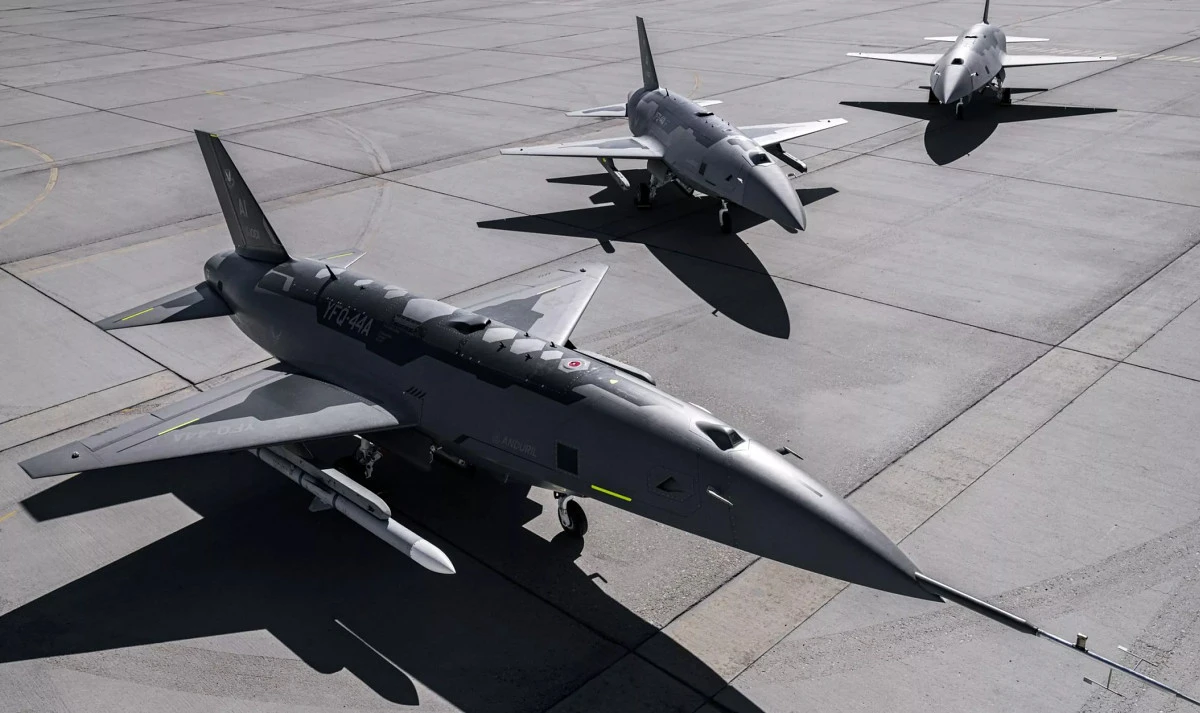
The U.S. Department of War is considering a paradigm shift in the conduct of air warfare toward building a large number of simple autonomous unmanned systems controlled by artificial intelligence. Several programs are being considered as priorities, in particular the Drone Dominance Program (DDP) and Collaborative Combat Aircraft (CCA).
The Drone Dominance Program was launched with the goal of producing 340,000 low-cost disposable strike UAVs by 2028, capable of overwhelming air defense systems by sheer numbers alone and creating a high density of strikes.
As part of the program, series of tests are already being conducted. For example, military operators are testing various UAVs, after which the best are selected for serial procurement. As production scales up, the Pentagon intends to significantly reduce the unit price from about $5,000 to $2,300.
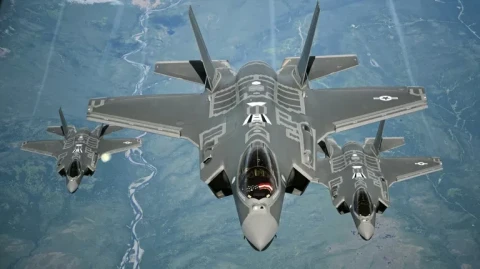
Collaborative Combat Aircraft focuses on creating larger semi-autonomous drones that will operate in conjunction with manned fighter jets (F-35 and F-47), Techcult reports. In June, the U.S. Air Force began serial production of the FQ-42A (General Atomics) and FQ-44A (Anduril Industries) unmanned platforms. Their tasks include electronic warfare, reconnaissance, data exchange, and other dangerous missions. The software will be overseen by multiple suppliers to avoid dependence on a single one.
The main reason for this shift in the warfare paradigm is the experience of combat operations in Ukraine and the Middle East, where inexpensive drones have radically changed the rules of the game.
However, scaling up production of unmanned systems requires more than just building the necessary factories. It is also necessary to establish logistics, train personnel, and work out coordination among different types of drones, including under jamming conditions.