make preferable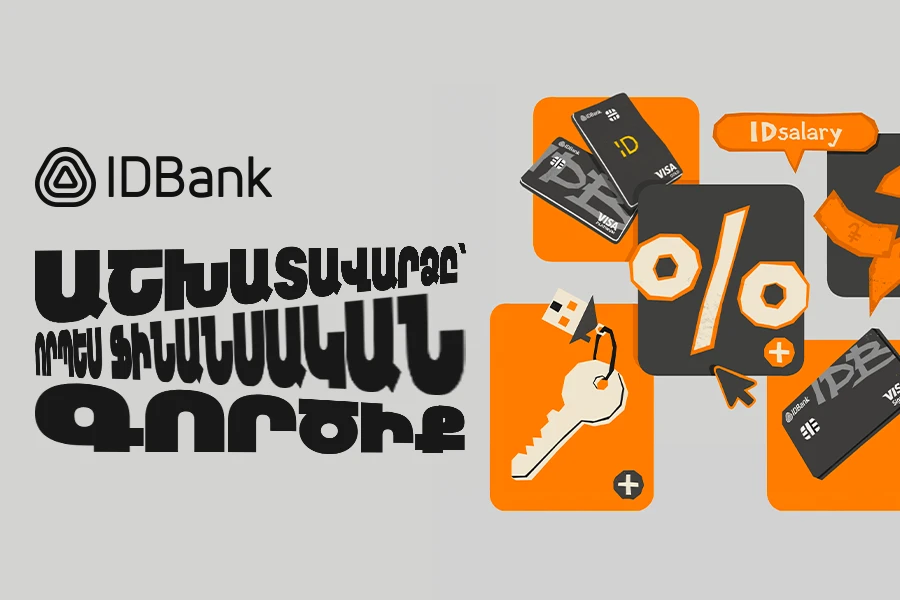
When we talk about salary, we usually focus first and foremost on how much we earn. But have you ever considered that two people with the same income can have significantly different financial situations?
For example, one person may spend their entire salary by the end of the month, while another may manage to set aside savings and make progress toward long-term financial goals. The difference lies not only in how much they spend, but also in how they manage their salary.
Salary is not just for covering current expenses
Your salary should not only cover your everyday needs and essential payments, but also help you build a financial reserve and achieve your future goals.
Let’s face it: we often think of our salary simply as a way to “get through the month.” As a result, as income increases, expenses and financial obligations tend to grow at the same pace, while financial stability remains out of reach.
Effective money management begins when every part of your salary has a clear purpose, whether it is for current expenses, building a financial reserve, saving toward a specific goal, or making long-term investments.
Why Does Your Choice of Salary Bank Matter?
A salary card is often seen simply as a way to receive your salary and withdraw cash. However, a payroll package can also affect card maintenance fees, cash withdrawal terms, savings opportunities, as well as loan and mortgage terms.
When choosing a bank, it is worth considering:
card issuance and maintenance fees,
cash withdrawal terms,
interest rates on savings,
preferential loan and mortgage terms,
the ability to manage banking services remotely.
Individually, these benefits may seem minor, but together they create a comprehensive system for managing your salary more effectively.
When your salary starts working for you
One example of this approach is IDBank’s IDsalary package, designed for customers who receive or plan to receive their salary through IDBank.
What benefits does the package offer?
Free premium card — the card type depends on your salary amount.
Cashback and bonuses available with premium cards.
Preferential cash withdrawal terms.
Competitive interest rate on loans.
Credit line — with a grace period of up to 55 days.
Credit limit — up to 15 times your net salary, with a maximum limit of AMD 10,000,000.
Lower mortgage interest rate — 0.25 percentage points lower than IDBank’s current mortgage interest rate.
Additional interest on savings — +0.5 percentage points on the current interest rate for AMD savings accounts.
Free ArCa card — with the opportunity to receive cashback of up to AMD 60,000 per month.
20% discount on safe deposit box rental.
Free package maintenance — package activation and monthly maintenance are free of charge.
And many other benefits.
Financial discipline is not just about saving
Saving does not mean giving up everything you want. It means making your financial decisions more predictable and manageable.
When you know how much you need for essential expenses, set aside part of your salary for savings as soon as you receive it, and use credit only for a specific purpose, managing your finances becomes more balanced and effective.
When making a major purchase or taking out a loan, it is important to consider not only the monthly payment, but also the total cost and its impact on your household budget. Similarly, when it comes to saving, it is worth choosing a financial tool that can help you not only preserve your available funds but also grow them over time.
This way, your salary becomes more than just monthly income—it becomes a financial tool that brings together everyday expenses, savings, credit, and plans for the future.
IDBANK IS SUPERVISED BY THE CBA