make preferable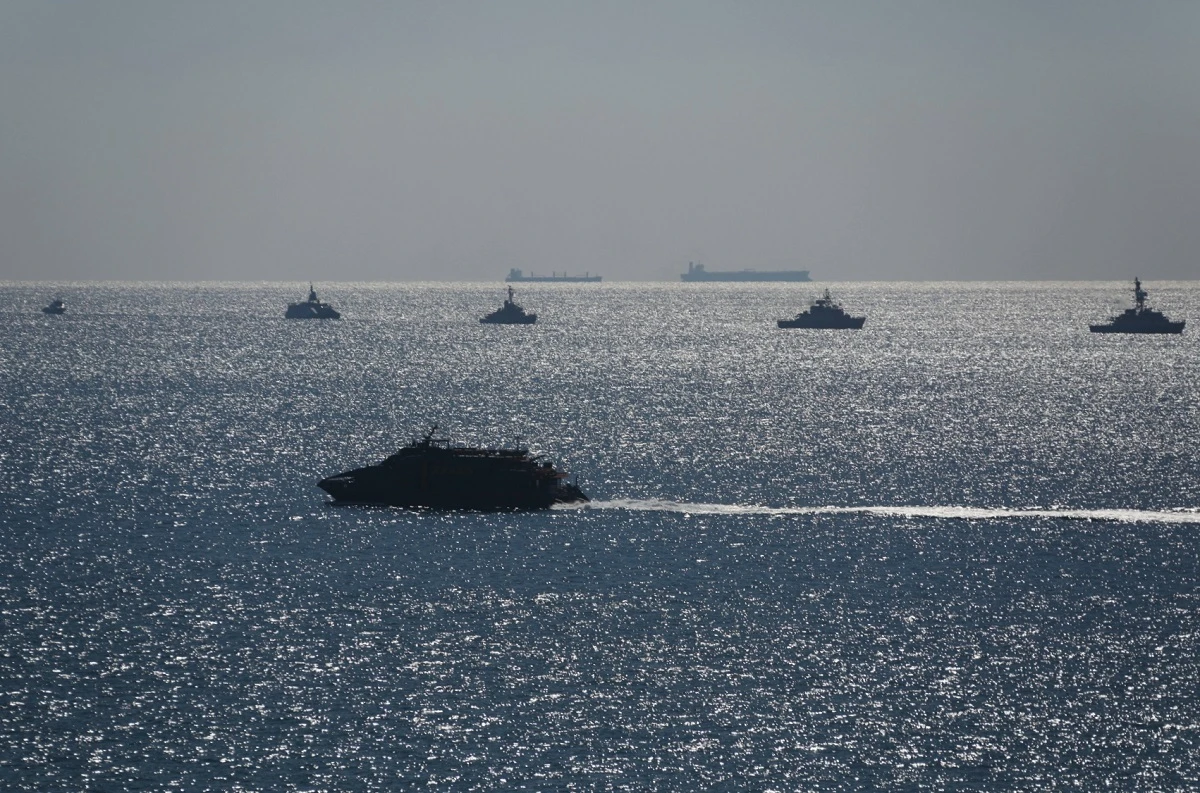
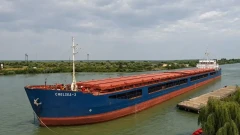
Eighteen leading maritime powers have warned that the customary system of international rules that ensure freedom of navigation and global maritime trade is rapidly eroding.
Their joint public statement in that regard was publicized Tuesday on the platform of the Consultative Shipping Group (CSG), which unites these 18 countries. The authors of the statement note that more than 80% of global trade is carried by sea.
Electronics, clothing, cars, grain, metals, oil, and gas are transported by sea, which is why serious disruptions in key routes can quickly affect supply chains and the global economy. According to CSG, in recent years, global shipping has faced a series of crises, from the COVID-19 pandemic and the conflict in Ukraine to the drought in the Panama Canal, and armed conflicts in the Middle East. These events, as noted in the statement, indicate not individual disruptions, but structural changes in the global trading system.
As per the statement, an additional threat is the fragmentation of international rules. Differences in national and regional approaches to regulating shipping increase uncertainty for carriers, complicate long-term planning, and ultimately increase costs for businesses and consumers.
Also, the CSG warns of the growth of the “shadow fleet”: hundreds of ships operating outside the standard mechanisms of insurance, safety, and transparency and are used, in particular, to circumvent sanctions.
According to the authors of the statement, this effectively creates a two-tier system of global shipping: one part of the industry operates in accordance with international rules, while the other part—in non-transparent conditions.
At the same time, CSG believes that the solution to the problem lies not in creating more and more separate restrictions, but in more consistent application of existing international norms. The basis of such a system remains the UN Convention on the Law of the Sea, and international standards developed by the International Maritime Organization.
The statement emphasizes that freedom of navigation requires coordinated actions of countries, as well as transparency and uniform rules for all carriers. Their observance, in the opinion of CSG, is necessary for fair competition, the stability of supply chains, and the stability of global trade.
The authors of a separate statement point to the situation around the Strait of Hormuz as a vivid example of the consequences of the collapse of the established system. “When shipping supply chains fragment, the global economy fragments with it,” the statement concludes.