make preferable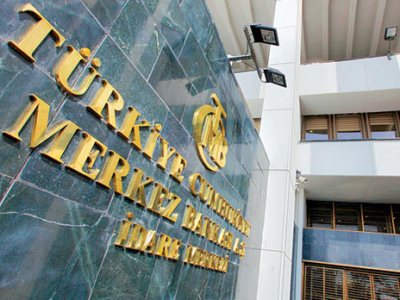
Turkey's central bank has kept its discount rate at 14% for the second month in a row, as expected, despite a jump in inflation to nearly 50% after last year's downward cycle triggered a currency crisis, Reuters reported.
The central bank began easing in September and cut interest rates by 500 basis points under pressure from President Tayyip Erdogan, whose new economic plan gives priority to credit, production, exports and employment.
All 20 economists polled by Reuters predicted the bank would leave the base rate unchanged.
The lira remained largely stable after the decision and was at 13.62 against the dollar at 11:03 GMT.
Annual inflation jumped to a 20-year high of 48.69% in January, leaving real yields in deeply negative territory, a worrying signal for investors and vulnerability for the lira.
The bank signaled last month that it would suspend the easing cycle to monitor its effects. It expects inflation to fall in the second half of the year, even as most analysts expect price and wage pressures to persist.
The lira, which fell 44 percent in 2021, has traded steady this year after costly government intervention in the currency market and a scheme to protect lira deposits from currency depreciation.
Meanwhile, Erdogan said Turkey was determined to prevent high inflation and inflated interest rates, and fight the manipulation of financial markets. He said that while many countries around the world continue to be in crisis due to the pandemic, Turkey was getting significant dividends from earlier investments made in the national economy and health care, Anadolu news agency reported.
He assured that the social and economic problems facing Turkish citizens today will be solved, stressing that the Turkish authorities are determined to place the country among the top ten economies in the world.